Application Virtualization
Definition
Technology that allows applications to run in an isolated virtual environment rather than directly on the underlying operating system, ensuring compatibility and security.
Cloud Streaming Glossary · 85 terms
What is Application Virtualization?
Application virtualization is a technology that allows applications to run in an isolated virtual environment, rather than directly on the underlying operating system. This means that applications are encapsulated in a virtual container that includes everything needed for the application to run—such as files, settings, and libraries—without directly interfacing with the host system.
Use Cases
Application virtualization is particularly beneficial in scenarios where compatibility, security, and resource efficiency are critical:
3D Graphics and Rendering Applications: Creative professionals using software like Blender 3D, Unity, and Unreal Engine can benefit from application virtualization to ensure compatibility across different systems and operating environments, enabling smoother workflows.
Enterprise Software Deployment: Businesses can deploy critical applications across various departments without worrying about software conflicts or system compatibility issues.
Virtual Product Configurators: Companies offering customizable products can virtualize configurator applications, allowing users to design and modify products in a secure, controlled environment.
Remote Work Solutions: Virtualizing applications for remote teams ensures that all users have access to the same tools and software, regardless of their local system configuration.
Benefits
Application virtualization offers a range of benefits that make it an attractive option for businesses and professionals:
Enhanced Compatibility: Virtualized applications can run on various operating systems without compatibility issues, making it easier to deploy software across different environments.
Increased Security: Since virtualized applications do not interact directly with the host system, they are less likely to be compromised by malware or other security threats.
Simplified Management: IT teams can manage, update, and deploy applications centrally, reducing the complexity and cost of managing software on individual devices.
Improved Resource Efficiency: By isolating applications, virtualization reduces the risk of conflicts between different software programs, allowing systems to run more efficiently.
Featuring Vagon Streams: Powering High-Performance Virtualization
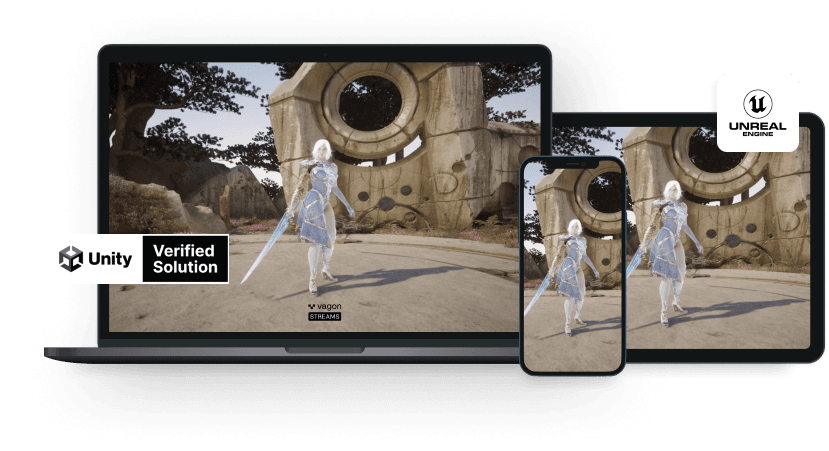
For professionals working with demanding 3D applications or complex virtual environments, Vagon Streams offers a powerful cloud-based solution. Vagon Streams enables you to run resource-intensive applications like Blender 3D, Unity, or Unreal Engine on high-performance virtual workstations, ensuring smooth operation and full compatibility across devices.
With Vagon Streams, you can virtualize your applications without compromising performance, enabling you to focus on creativity and productivity, whether you're designing intricate 3D models, developing immersive virtual experiences, or managing large-scale product configurations.
Elevate your virtualization experience with Vagon Streams. Start streaming powerful 3D applications today and take your workflow to the next level.
Application virtualization is a powerful technology that enhances the way we deploy and manage software. By isolating applications from the underlying operating system, it ensures compatibility, security, and ease of management, making it a vital compo