Interactive Visualization
Definition
The ability to interact with 3D visualizations in real-time, enabling users to explore, manipulate, and analyze complex data sets or models. Interactive visualization is used in fields like engineering, architecture, and scientific research to enhance understanding and decision-making.
Cloud Streaming Glossary · 85 terms
What is Interactive Visualization?
Interactive visualization is the ability to interact with 3D visualizations in real-time, enabling users to explore, manipulate, and analyze complex data sets or models. Interactive visualization is used in fields like engineering, architecture, and scientific research to enhance understanding and decision-making.
Use Cases
Interactive visualization is widely used in various industries where real-time data interaction and analysis are crucial:
Engineering and Design: Engineers use interactive visualization to explore and manipulate complex 3D models, allowing them to identify potential issues and optimize designs before production.
Architecture and Construction: Architects and builders use interactive visualization to create realistic 3D models of buildings, enabling clients to explore designs in real-time and make informed decisions.
Scientific Research: Researchers use interactive visualization to analyze large and complex datasets, such as molecular structures or climate models, allowing them to uncover insights that would be difficult to discern through static images.
Product Development: Companies use interactive visualization to prototype and test products in a virtual environment, enabling real-time adjustments and reducing the need for physical prototypes.
Benefits
Interactive visualization offers several key benefits that enhance the ability to analyze and present complex data:
Enhanced Understanding: By allowing users to interact with 3D models and data in real-time, interactive visualization helps uncover insights and improve understanding of complex systems and processes.
Improved Decision-Making: Interactive visualization provides a dynamic way to explore different scenarios and outcomes, enabling more informed and accurate decision-making.
Real-Time Feedback: Users can manipulate models and data in real-time, providing immediate feedback on changes and allowing for rapid iteration and refinement.
Increased Engagement: Interactive visualization makes data exploration more engaging and accessible, encouraging collaboration and participation among teams.
Featuring Vagon Streams: Powering Real-Time Interactive Visualization with High-Performance Streaming
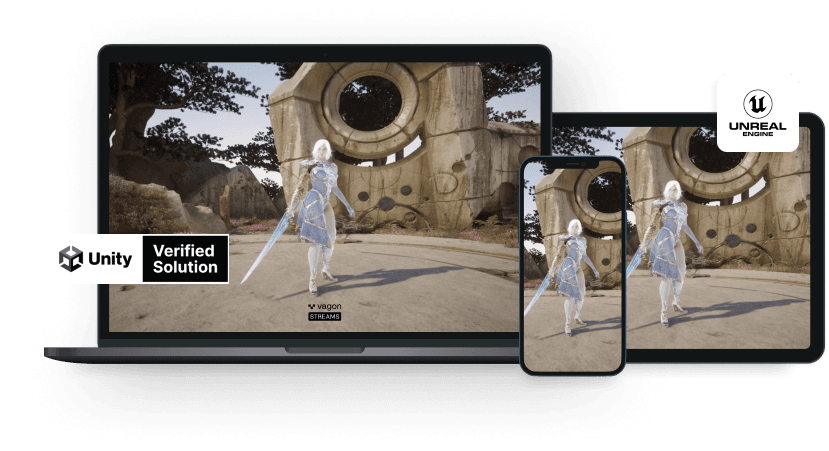
For professionals and organizations that rely on interactive visualization, Vagon Streams offers a powerful solution that ensures smooth and responsive streaming of 3D models and complex datasets. Vagon Streams enables you to stream interactive visualization applications directly from the cloud, providing your users with the ability to explore and manipulate data in real-time without the need for powerful local hardware.
With Vagon Streams, you can deliver interactive visualization experiences that are both immersive and efficient, helping users make better decisions and gain deeper insights.
Unlock the potential of your data with Vagon Streams. Try Vagon Streams today and deliver high-performance interactive visualization to your team.
Interactive visualization is transforming how industries analyze and present data, offering new ways to explore and understand complex information. Vagon Streams enhances your ability to deliver these experiences by providing a seamless platform for streaming interactive content, ensuring that your users can interact with data in real-time and with the highest quality.