Mixed Reality - MR
Definition
A blend of physical and virtual worlds where digital and real-world objects coexist and interact in real-time. Mixed reality enables more natural and intuitive interactions with digital content, often used in applications like design, training, and simulation.
Cloud Streaming Glossary · 85 terms
What is Mixed Reality (MR)?
Mixed Reality (MR) is a blend of physical and virtual worlds where digital and real-world objects coexist and interact in real-time. Mixed reality enables more natural and intuitive interactions with digital content, often used in applications like design, training, and simulation.
Use Cases
Mixed Reality (MR) is transforming various industries by providing immersive and interactive experiences that bridge the gap between the physical and digital:
Design and Prototyping: Designers use MR to visualize and manipulate 3D models in real-world environments, allowing for better design decisions and faster prototyping.
Training and Simulation: MR is used in training scenarios where users can interact with virtual elements in a physical space, providing hands-on experience without the risks associated with real-world training.
Healthcare: Surgeons and medical professionals use MR for pre-surgical planning, enabling them to visualize complex anatomical structures overlaid on the patient’s body.
Education: MR allows students to interact with digital content in a physical context, making learning more engaging and effective, particularly in subjects like science and engineering.
Benefits
Mixed Reality (MR) offers several key benefits that enhance user interaction and understanding:
Enhanced Interaction: MR provides a more natural way to interact with digital content, allowing users to manipulate virtual objects as if they were real, leading to a deeper understanding and more intuitive use.
Improved Decision-Making: By visualizing digital models in a real-world context, MR helps users make better decisions, whether in design, training, or healthcare.
Increased Engagement: MR creates immersive experiences that capture attention and keep users engaged, making it a powerful tool for education, training, and marketing.
Real-World Integration: MR seamlessly integrates digital content into the physical world, enabling new applications and interactions that were previously impossible with purely virtual or physical systems.
Featuring Vagon Streams: Delivering High-Performance Mixed Reality Experiences
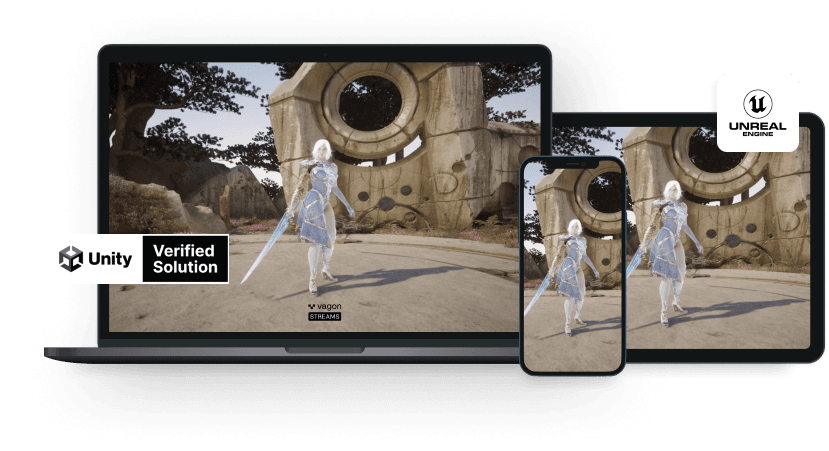
For developers and organizations looking to create and deliver mixed reality experiences, Vagon Streams offers a powerful solution that ensures seamless streaming of MR applications. Vagon Streams enables you to stream complex MR content directly from the cloud, providing users with smooth and responsive interactions without the need for high-end local hardware.
With Vagon Streams, you can deliver mixed reality experiences that are both immersive and high-performance, ensuring that your users can interact with digital and physical elements in real-time.
Enhance your MR projects with Vagon Streams. Try Vagon Streams today and deliver cutting-edge mixed reality experiences with ease.
Mixed Reality (MR) is revolutionizing how we interact with digital content, offering new possibilities for design, training, and education. Vagon Streams enhances your ability to deliver these experiences by providing a seamless platform for streaming MR applications, ensuring that your users enjoy the highest quality interactions in blended digital and physical environments.