Texture Mapping
Definition
The process of applying a 2D image, known as a texture, to a 3D model to give it a realistic appearance. Texture mapping is a key technique in 3D graphics, used to add detail and depth to models in gaming, movies, and design.
Cloud Streaming Glossary · 85 terms
What is Texture Mapping?
Texture mapping is the process of applying a 2D image, known as a texture, to a 3D model to give it a realistic appearance. Texture mapping is a key technique in 3D graphics, used to add detail and depth to models in gaming, movies, and design.
Use Cases
Texture mapping is essential in various industries where creating realistic 3D models is critical:
Gaming: Game developers use texture mapping to create detailed environments, characters, and objects, enhancing the visual quality and immersion of the game.
Movies and Animation: In film production, texture mapping is used to add realism to CGI elements, making them appear lifelike and seamlessly integrated with live-action footage.
Architectural Visualization: Architects use texture mapping to apply materials like wood, stone, or metal to 3D models of buildings, providing clients with realistic previews of their projects.
Product Design: Designers apply textures to 3D prototypes to visualize the final product's appearance, helping in decision-making and marketing before production begins.
Benefits
Implementing texture mapping offers several key benefits that enhance the realism and detail of 3D models:
Realistic Visuals: Texture mapping allows for the creation of highly detailed and realistic surfaces, making 3D models appear more lifelike.
Enhanced Immersion: By adding textures to models, developers and designers can create environments that feel more tangible and immersive, whether in games, VR, or architectural visualizations.
Efficient Workflow: Texture mapping enables the reuse of 2D images across multiple models, speeding up the development process and reducing the need for detailed 3D modeling.
Versatility: Textures can be easily modified or replaced, allowing for quick iterations and adjustments to the appearance of 3D models.
Featuring Vagon Streams: Enhancing Texture Mapping with High-Performance Streaming
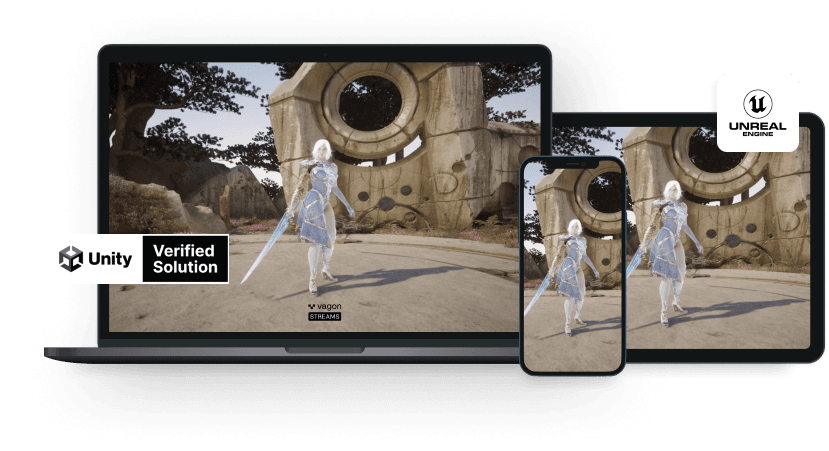
For developers and designers who rely on texture mapping to create detailed and realistic 3D models, Vagon Streams offers a powerful solution that ensures smooth and responsive streaming of your 3D content. Vagon Streams enables you to work on texture-rich models directly from the cloud, providing access to high-performance computing resources without the need for powerful local hardware.
With Vagon Streams, you can enhance your texture mapping projects by delivering high-quality 3D content that is both detailed and responsive, ensuring that your users experience the full potential of your designs.
Stream your 3D projects with Vagon Streams. Try Vagon Streams today and bring your texture-mapped models to life with seamless streaming technology.
Texture mapping is a fundamental technique in 3D graphics, providing the detail and realism needed for high-quality visuals. Vagon Streams enhances your ability to leverage texture mapping by offering a seamless platform for streaming 3D content, ensuring that your models are rendered with the highest quality and efficiency.