Architectural Visualization
Definition
The process of creating visual representations of architectural designs using 3D modeling techniques. This allows architects, designers, and clients to better understand and visualize proposed structures before they are built, aiding in decision-making and design refinement.
Cloud Streaming Glossary · 85 terms
What is Architectural Visualization?
Architectural visualization is the process of creating visual representations of architectural designs using 3D modeling techniques. This allows architects, designers, and clients to better understand and visualize proposed structures before they are built, aiding in decision-making and design refinement.
Use Cases
Architectural visualization is used in various stages of the design and construction process:
Conceptual Design: Architects use 3D models to explore different design ideas and present them to clients for feedback. This helps in refining the concept and ensuring that it meets the client’s vision.
Marketing and Sales: Developers and real estate agents use high-quality visualizations to showcase properties to potential buyers, offering a realistic view of the finished project before construction begins.
Virtual Reality Tours: Immersive virtual reality (VR) experiences allow clients and stakeholders to walk through a virtual model of the building, providing a more engaging and interactive way to explore the design.
Urban Planning: City planners use architectural visualization to assess the impact of new developments on the existing urban environment, ensuring that new projects integrate seamlessly with their surroundings.
Benefits
Architectural visualization offers several key benefits that enhance the design and construction process:
Enhanced Communication: Visualizations help bridge the gap between architects and clients by providing clear, detailed representations of the design, reducing misunderstandings and ensuring alignment on the project vision.
Improved Decision-Making: Clients can make informed decisions about materials, layouts, and other design elements by seeing realistic renderings of the project before construction begins.
Cost and Time Efficiency: Identifying potential issues and making design changes in the visualization phase can save significant time and costs during construction by reducing the need for revisions.
Increased Engagement: High-quality visualizations, especially when combined with VR, can create more engaging presentations, helping to win client approval and attract potential buyers or investors.
Featuring Vagon Streams: Streaming Architectural Visualizations with Ease
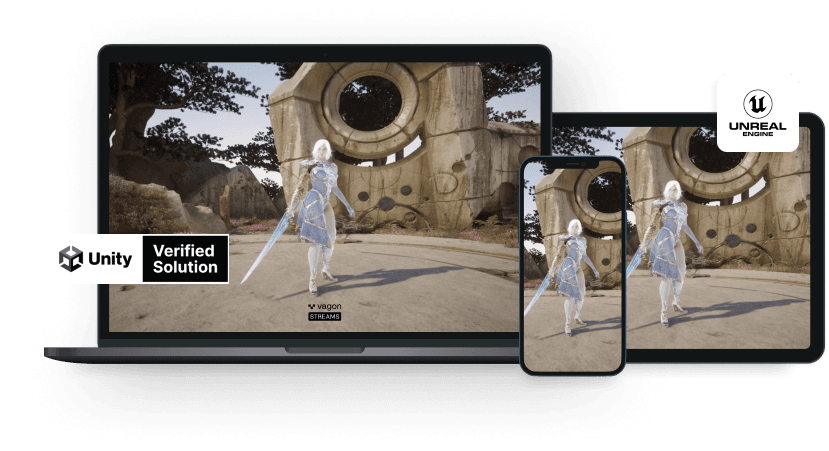
For architects and designers working on complex 3D models and visualizations, Vagon Streams offers a seamless streaming solution. Vagon Streams allows you to stream powerful 3D design and rendering applications directly from the cloud, ensuring smooth performance and accessibility from any device. This enables you to work on and present high-quality architectural visualizations without being tied to a specific workstation.
With Vagon Streams, you can deliver stunning architectural visualizations by streaming your preferred design applications, allowing you to focus on creativity and collaboration without worrying about hardware limitations.
Ready to enhance your architectural visualization process? Try Vagon Streams today and experience the ease of streaming your 3D design tools from the cloud.
Architectural visualization is a vital tool in the design and construction industry, enabling architects and clients to visualize and refine projects before they are built. By using Vagon Streams, you can ensure that your visualizations are accessible, high-performing, and easy to share, leading to better design outcomes and more satisfied clients.