WebGL
Definition
A JavaScript API that enables the rendering of interactive 3D graphics in web browsers without the need for plugins. WebGL is widely used in games, simulations, and data visualization, providing a way to create rich graphical experiences directly in the browser.
Cloud Streaming Glossary · 85 terms
What is WebGL?
WebGL is a JavaScript API that enables the rendering of interactive 3D graphics in web browsers without the need for plugins. WebGL is widely used in games, simulations, and data visualization, providing a way to create rich graphical experiences directly in the browser.
Use Cases
WebGL is essential in various applications where interactive and visually rich content needs to be delivered in a browser:
Gaming: WebGL powers browser-based games, allowing developers to create immersive 3D environments and complex gameplay mechanics that run smoothly across different devices.
Data Visualization: Analysts use WebGL to create interactive data visualizations, enabling users to explore complex datasets visually and gain insights directly from their web browser.
Simulations: WebGL is used in educational and scientific simulations, allowing users to interact with 3D models and scenarios in real-time, making complex concepts more accessible.
Architectural Visualization: Architects and designers use WebGL to create interactive 3D models of buildings and spaces, allowing clients to explore and interact with designs directly in a web browser.
Benefits
Implementing WebGL offers several key benefits that enhance the delivery of interactive 3D content in web environments:
Plugin-Free 3D Graphics: WebGL allows for the rendering of 3D graphics directly in the browser without requiring additional plugins, ensuring a seamless experience for users.
Cross-Platform Compatibility: WebGL is supported by all major browsers, enabling developers to create applications that run consistently across different devices and operating systems.
Interactive Experiences: WebGL enables the creation of highly interactive 3D experiences, allowing users to engage with content in ways that are not possible with static graphics.
Real-Time Rendering: WebGL supports real-time rendering, making it ideal for applications that require dynamic and responsive visual content, such as games and simulations.
Featuring Vagon Streams: Enhancing WebGL Applications with High-Performance Streaming
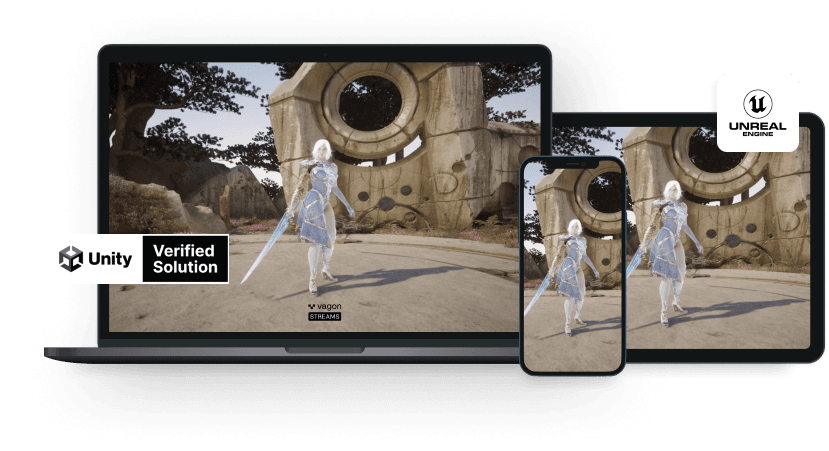
For developers creating interactive 3D experiences with WebGL, Vagon Streams offers a solution that ensures smooth and responsive streaming. Vagon Streams enables you to deliver WebGL applications directly from the cloud, providing users with high-performance graphics rendering without the need for powerful local hardware.
With Vagon Streams, you can enhance your WebGL projects by delivering scalable, high-quality experiences that are accessible to users across various devices and browsers.
Stream your WebGL applications with Vagon Streams. Try Vagon Streams today and deliver rich 3D experiences directly from the cloud to your users' browsers.
WebGL is transforming how 3D graphics are delivered in the browser, offering a powerful and flexible way to create interactive experiences. Vagon Streams enhances your ability to leverage WebGL by providing a seamless platform for streaming high-performance 3D content, ensuring that your users enjoy the best possible experience.