Instant Connection for Pixel Streaming
— New Feature Automated Setup
Top Graphics Cards to Maximize DaVinci Resolve Efficiency
VideoProduction
-
Top Graphics Cards to Maximize DaVinci Resolve Efficiency
VideoProduction
Top Graphics Cards to Maximize DaVinci Resolve Efficiency
VideoProduction
-
Table of Contents
It’s hard to understate how important DaVinci Resolve is for those who have integrated it into their workflows. It’s one single application that can do a whole lot on both the video and audio sides of business. That’s one major perk it has over something like Premiere Pro, for instance. Of course, with all of that in mind, it’s unsurprising that DaVinci Resolve has pretty substantial hardware requirements.
It’s important to equip yourself with a computer that can do the job, especially when it comes to the GPU. If you’re searching for the best graphics cards for DaVinci Resolve, then this is the place to be. Let’s talk about them.
Why Hardware Matters for DaVinci Resolve
DaVinci Resolve can be used for video editing, visual effects, audio post-production, motion graphics, and more. That’s all in one application, so with that in mind, it becomes less surprising that DaVinci needs good hardware to work optimally. Even apps with a narrower use case, like Final Cut Pro, still need good resources to pull from.
However, even knowing this, not everyone can walk out and buy the very best GPUs in the market. Even if you can, it might not be worth it. This is why you have to balance your budget with your needs.
If your computer is so painfully old that upgrading is a chore, or you’re on a very limited budget, an option like Vagon Cloud Computer will take the burden of the hardware off you, saving you from having to figure out the recommended GPUs for DaVinci Resolve performance optimization, since the very best is already in the cloud computer. More on that later, though.
High-End GPUs for DaVinci Resolve
Professionals who make money with their DaVinci Resolve workflow shouldn’t compromise. If some of the most demanding DaVinci Resolve plugins are your bread and butter, and performance is your main priority, no matter the cost, here are the top GPUs for video editing in DaVinci Resolve.
#1. Nvidia GeForce RTX 4090
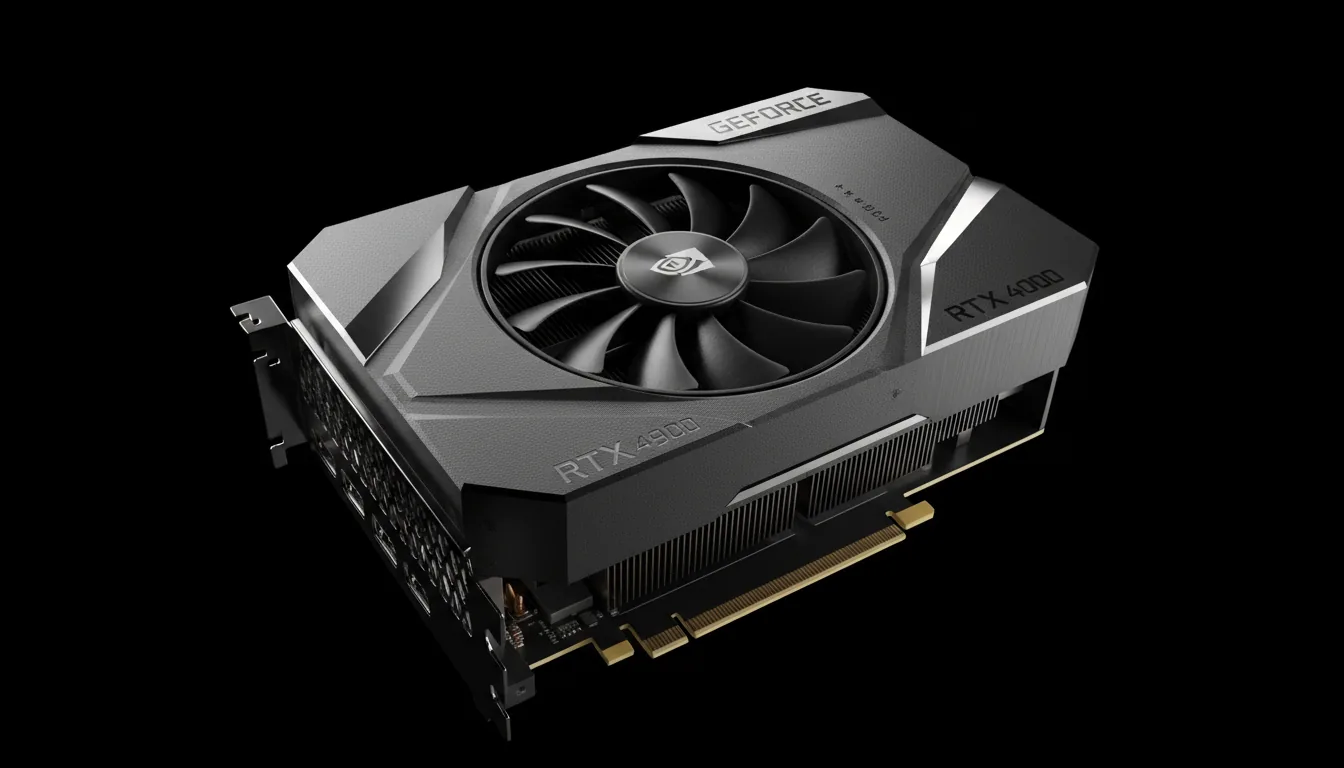
If money is no barrier, there’s literally no better GPU to equip right now than Nvidia’s RTX 4090. It will cost you a few thousand dollars and getting your hands on it is hard, but the Founder’s Edition card comes with 24GB of VRAM, which will make working in Resolve as smooth as butter.
#2. AMD Radeon RX 7900 XTX
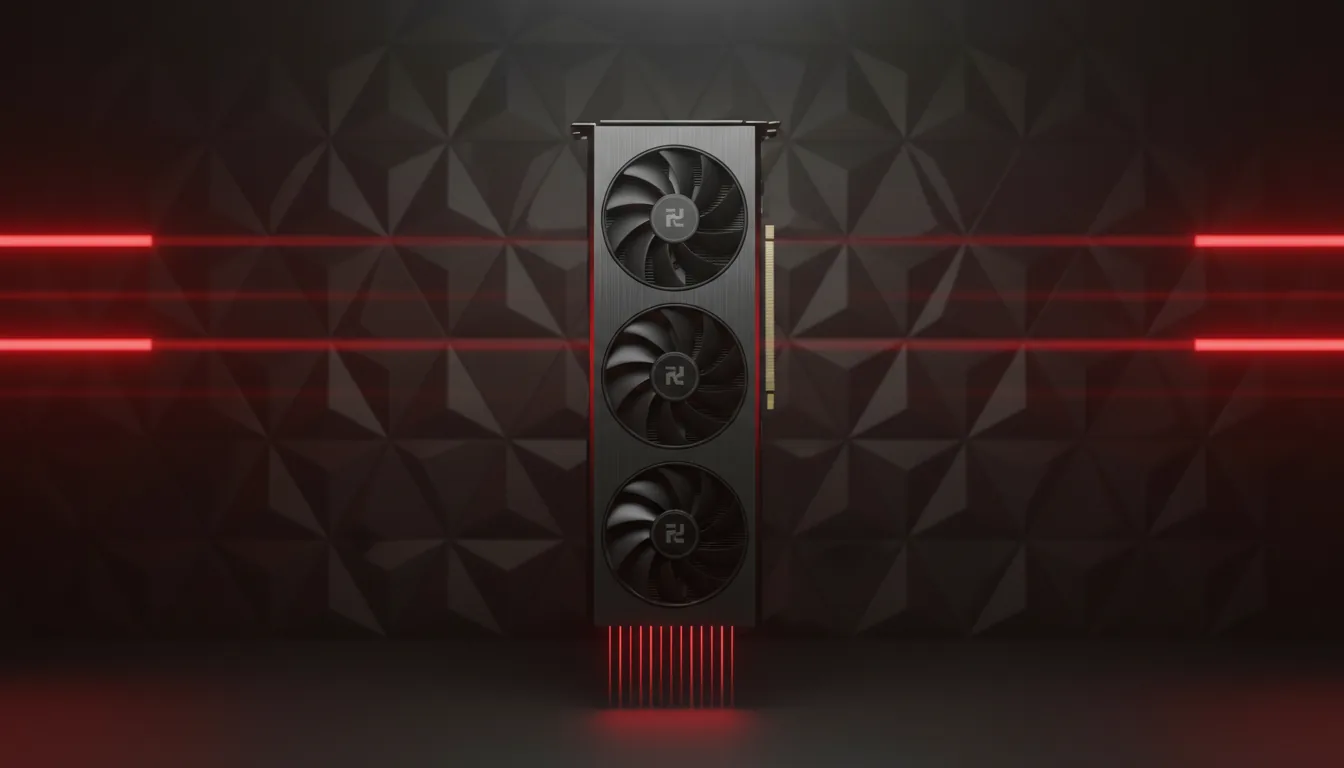
The very best of AMD isn’t too far off from the very best GPU, and the big perk is that it is about a quarter of the price. You’ll still get 24GB of VRAM and high-end graphical performance. It’s the next best option.
#3. Nvidia GeForce RTX 4070
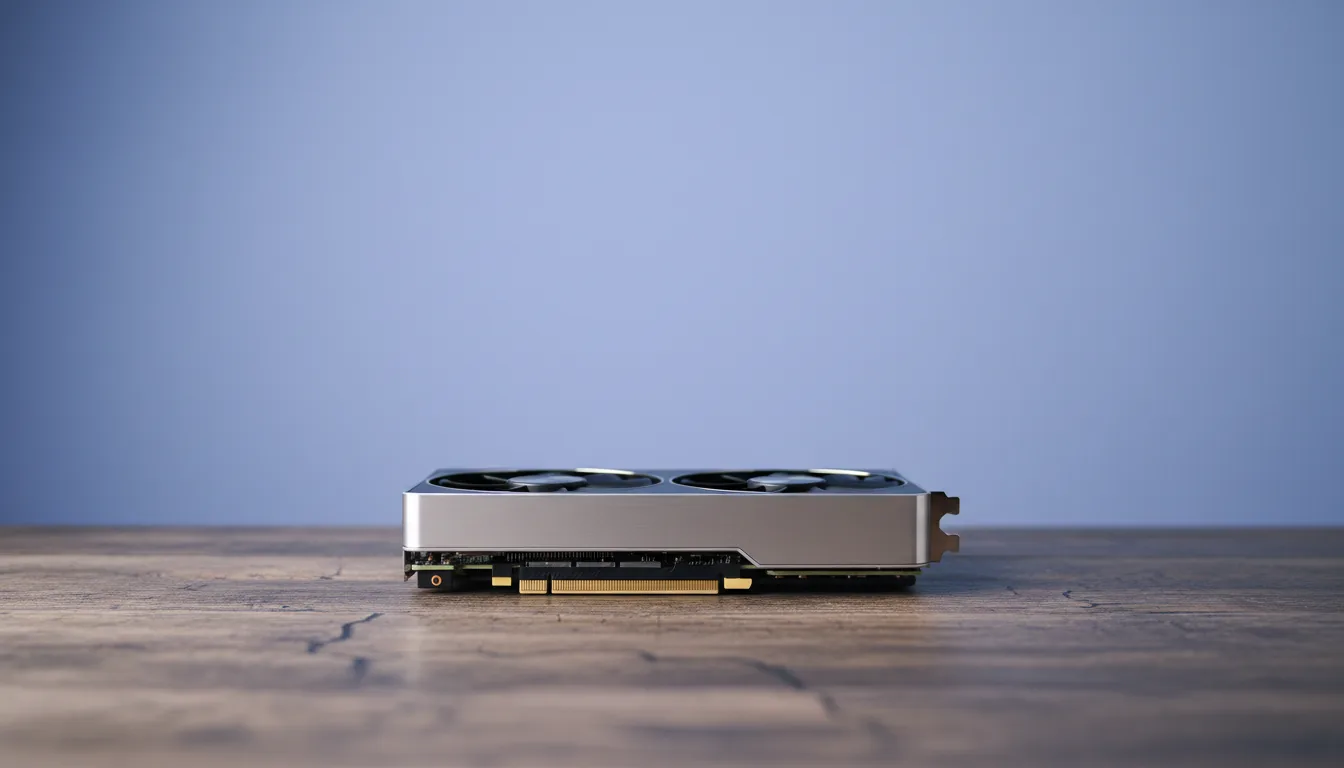
If you’re loyal to Nvidia but need something a lot cheaper than the 4090, the RTX 4070 comes at a mere fraction of its price while still being a high-end card. This variant is overclocked and comes with 12GB of VRAM, which is still more than enough.
Mid-Tier GPUs for DaVinci Resolve
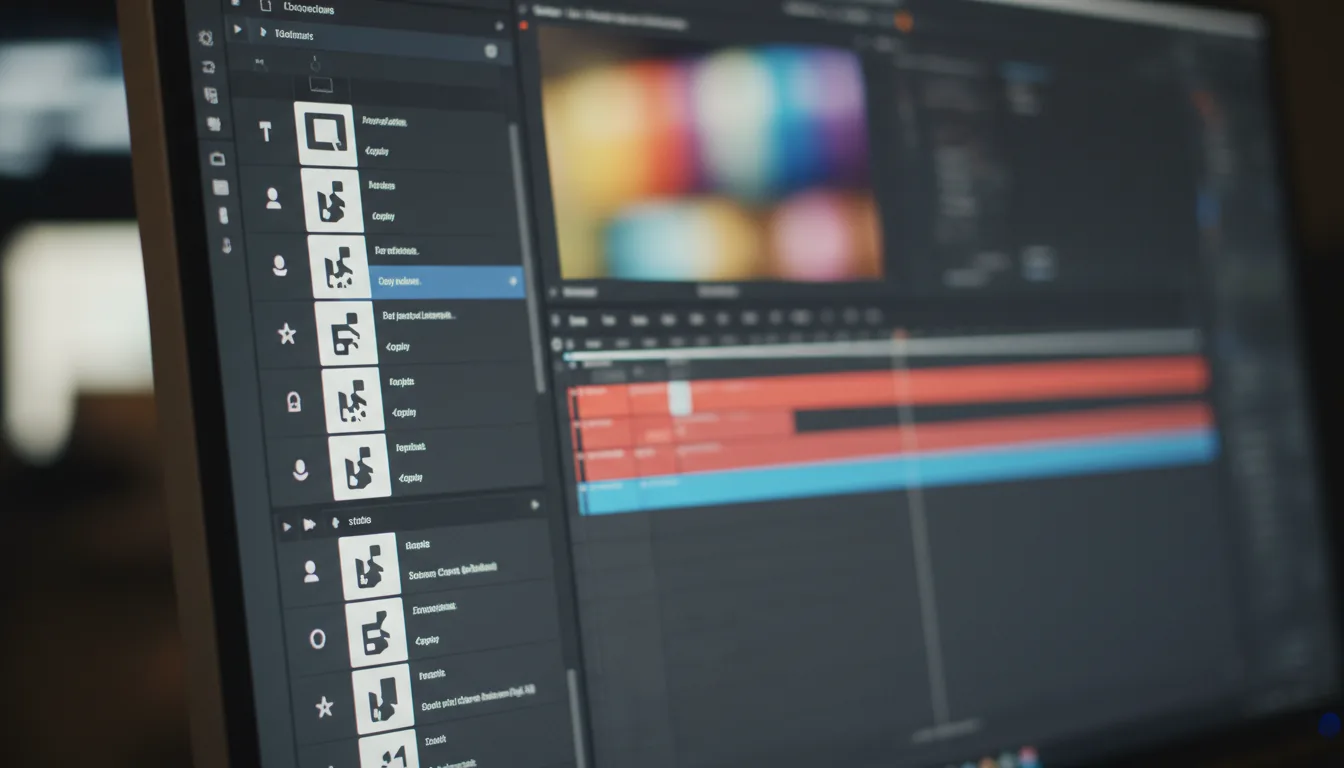
Not everyone is raking in enough money to splurge on a GPU for DaVinci Resolve. Some people’s needs for DaVinci Resolve simply aren’t that intense. If you’re any of these two types of people, a mid-tier GPU will save you money while still offering decent performance.
#1. Nvidia GeForce RTX 3060
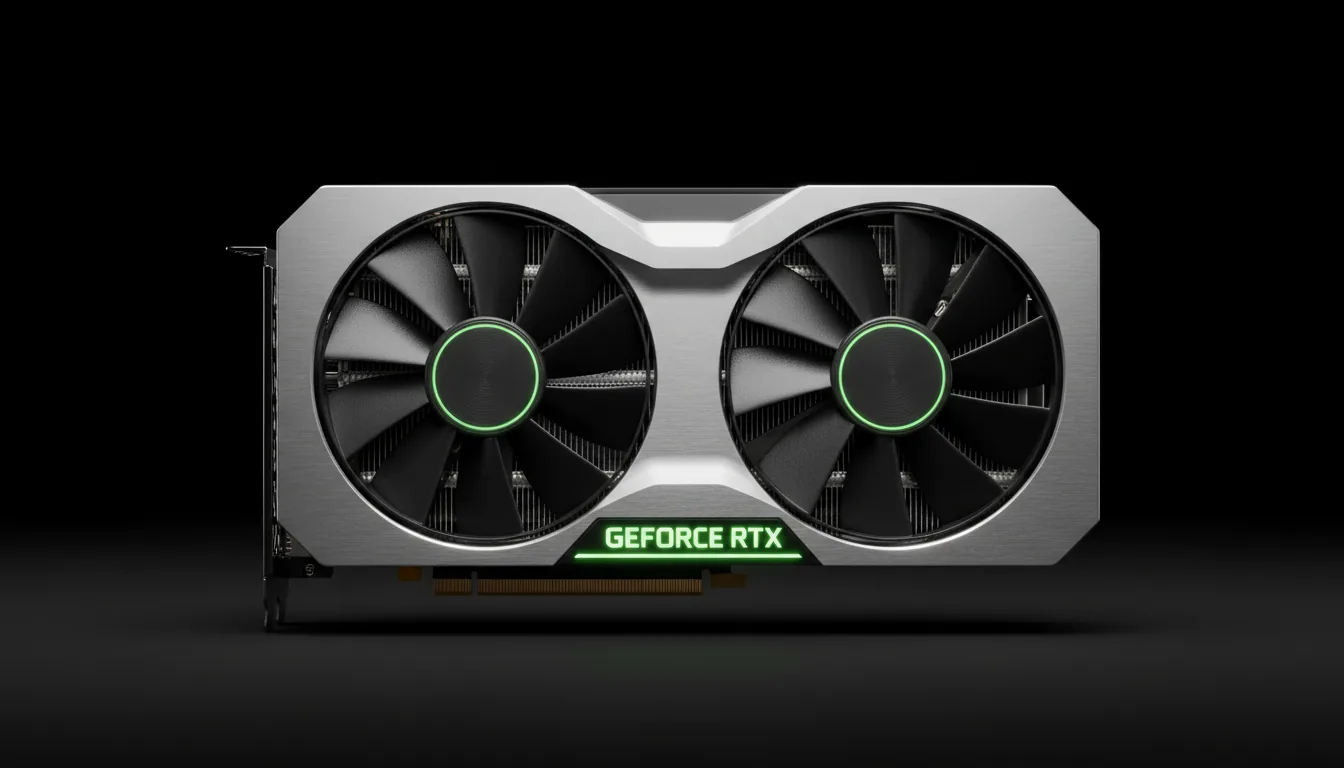
The RTX 3060 is an incredibly capable card despite being launched back in 2021. For under $300, you get 12GB of VRAM and an overclocked GPU. When it comes to graphics cards for faster rendering in DaVinci Resolve, this will do the job without breaking the bank.
To get the most out of your GPU setup, make sure you're applying the right settings. Check out this complete guide on how to render faster in DaVinci Resolve — from timeline optimizations to GPU settings, it’ll help you speed things up.
#2. AMD Radeon RX 7600
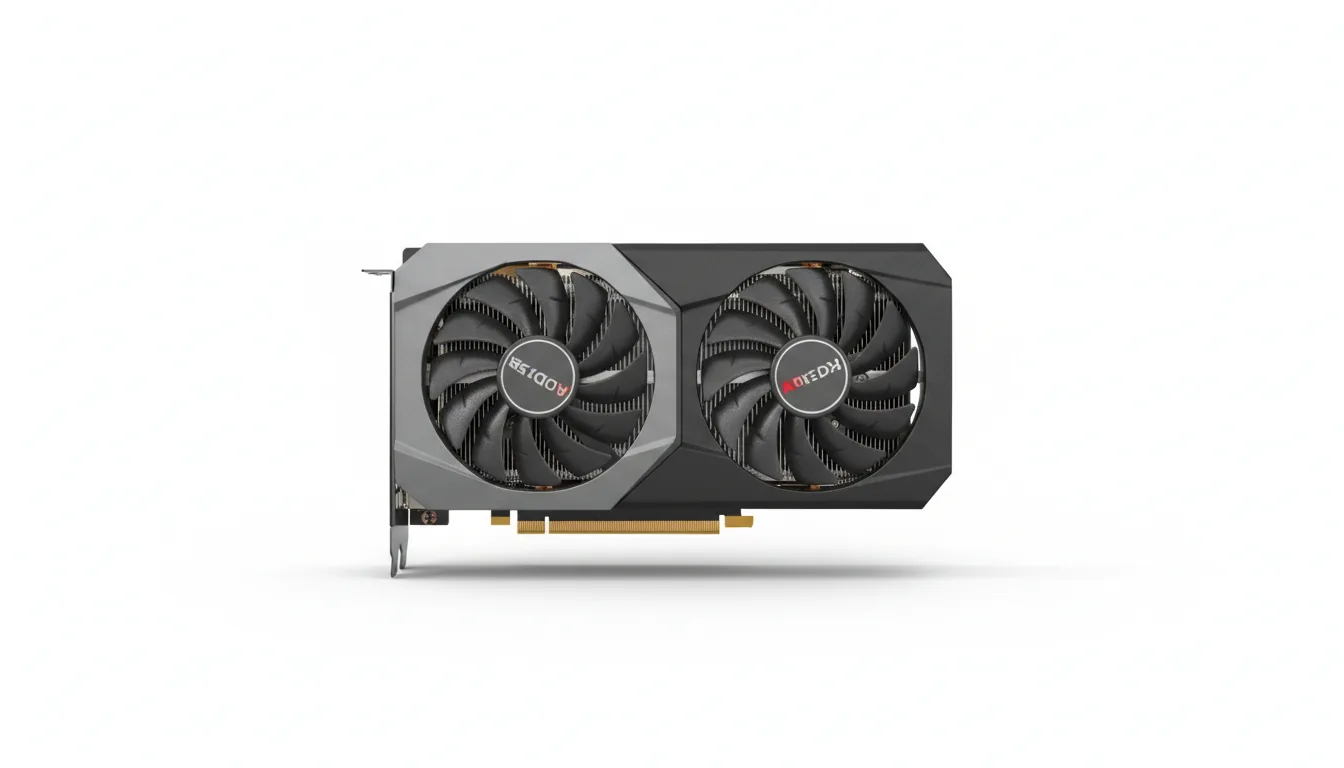
Some people prefer the AMD side of life and if you’re one of them, the RX 7600 comes at a sensible price with midrange performance. 8GB of VRAM is just about enough for good performance in DaVinci Resolve, but you might wish for a little more.
#3. Nvidia GeForce RTX 2060 Super
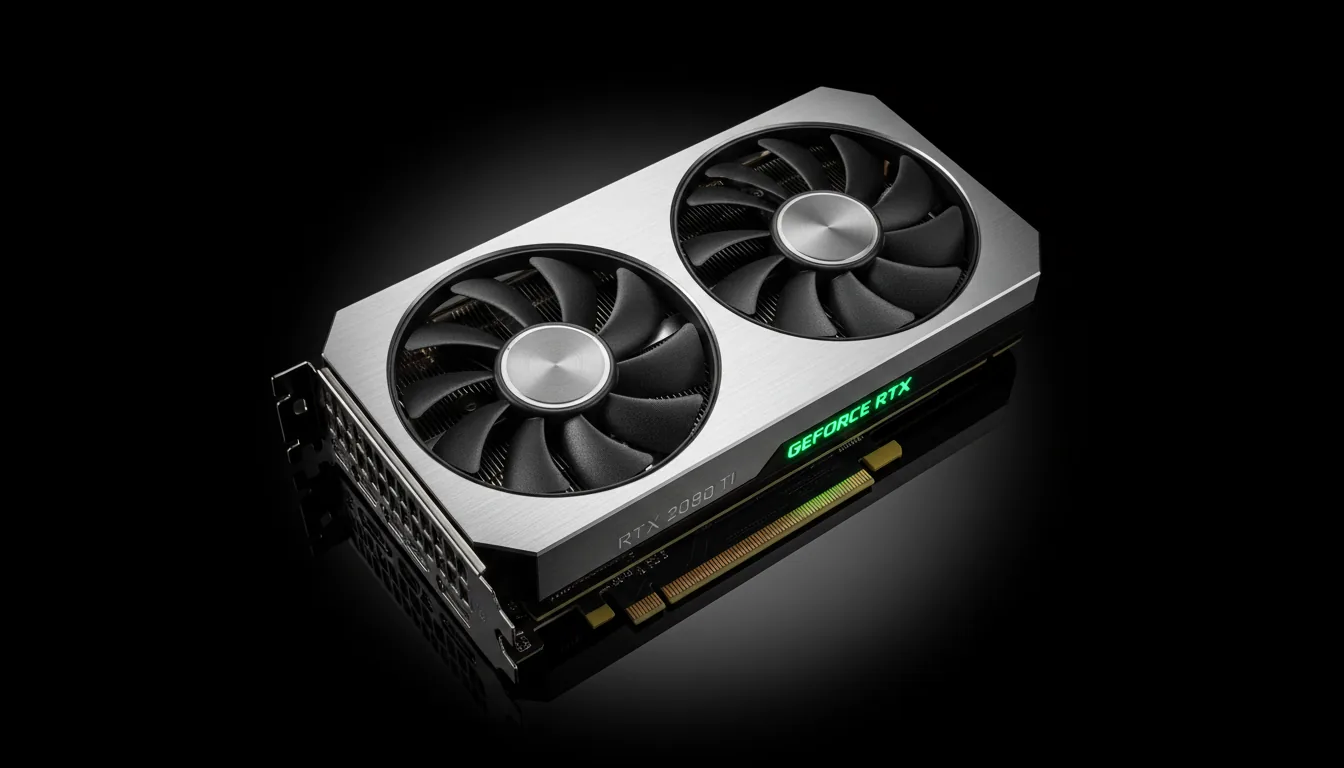
Nvidia’s RTX 2060 Super is another good option for Nvidia lovers looking for a capable and lower-cost card to handle their Resolve tasks reliably. Its 8GB of VRAM will do the job well, as long as your project isn’t too heavy-duty.
Low-Budget GPUs for DaVinci Resolve
If money is an issue and you’re just looking for the most affordable GPUs for DaVinci Resolve users, I’ll show them to you here. Just keep in mind that with graphics cards as low in price as these ones, you shouldn’t expect too much speed or reliability on more complex projects.
#1. Nvidia GeForce RTX 3050
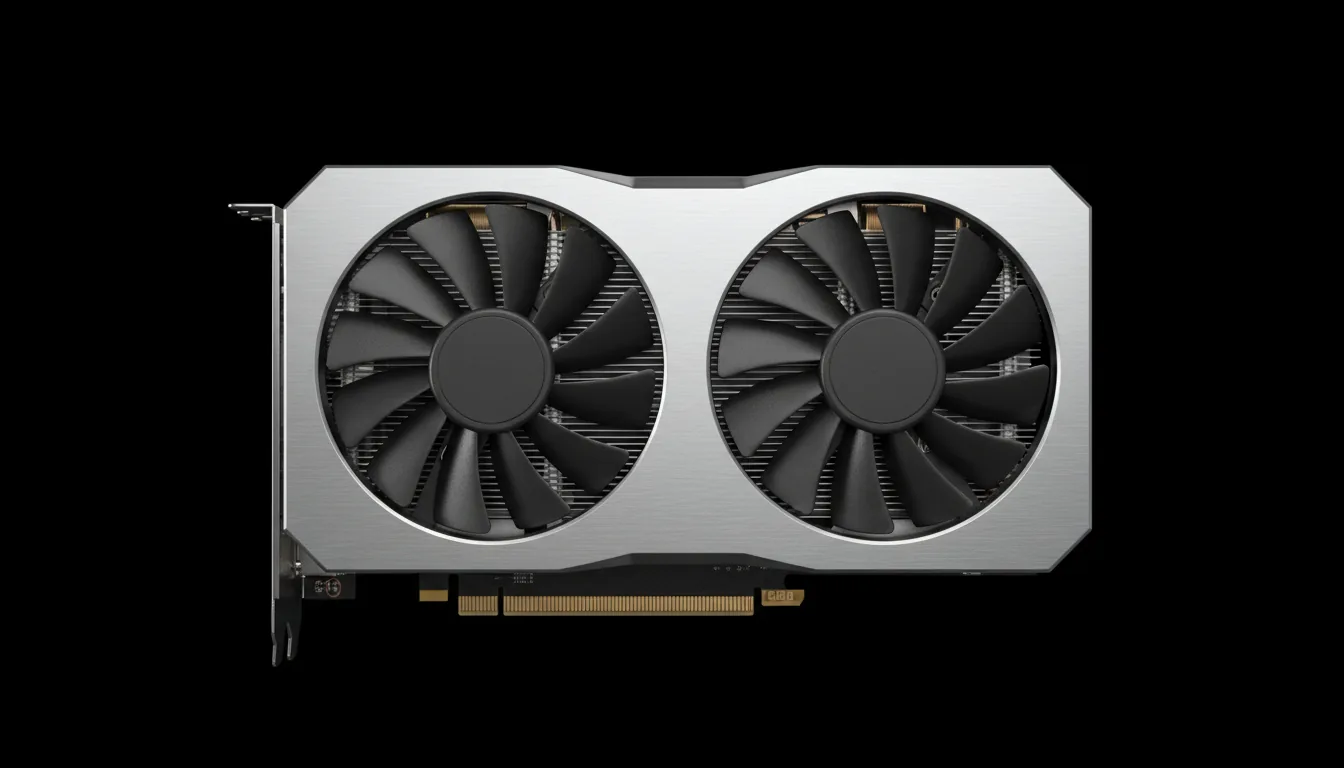
Despite being part of one of the more recent GPU series from Nvidia, the RTX 3050 can be purchased for well under $200. With 6GB of VRAM and a newer architecture, this chip has great bang for buck in DaVinci Resolve workflows.
#2. AMD Radeon RX 6500 XT
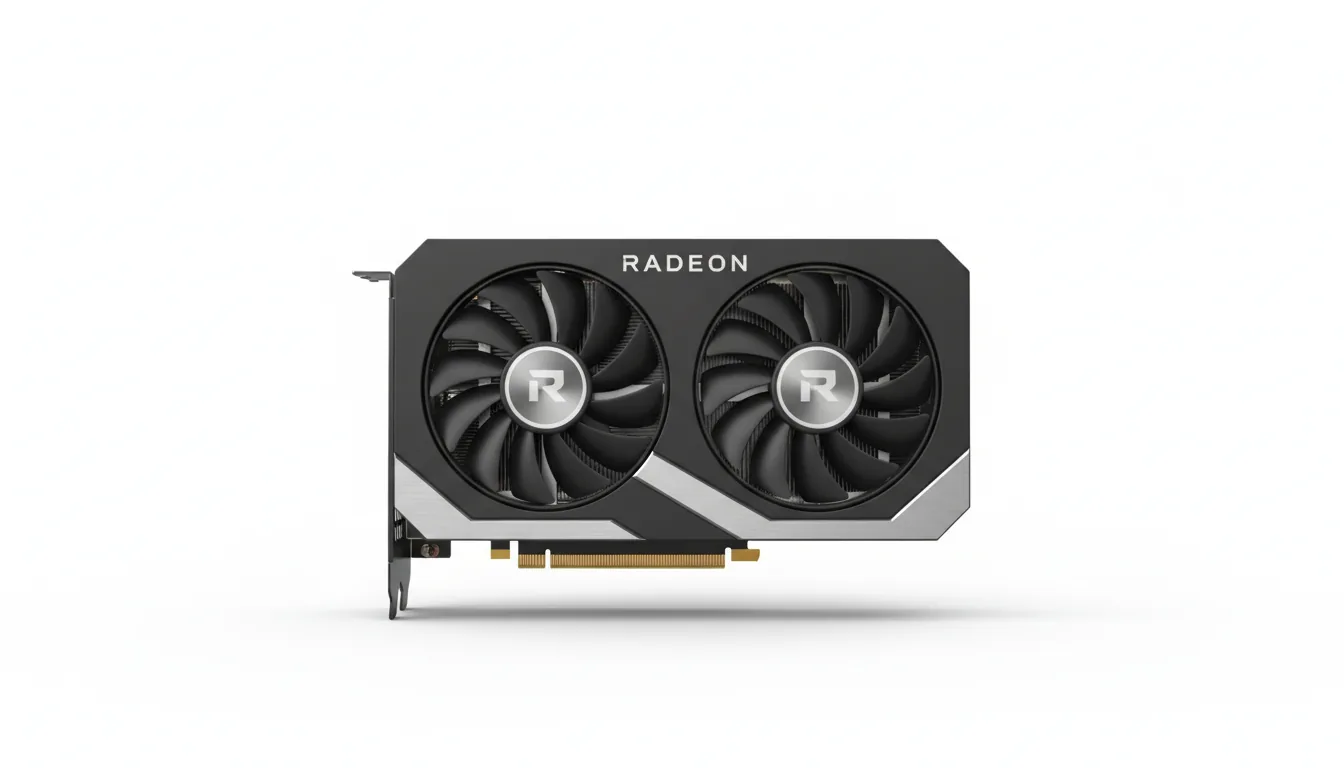
Similar in price to the RTX 3050, AMD’s RX 6500 XT delivers respectable performance, though it just hits the minimum in terms of system requirements, with 4GB of VRAM.
#3. Nvidia GeForce GT 1030
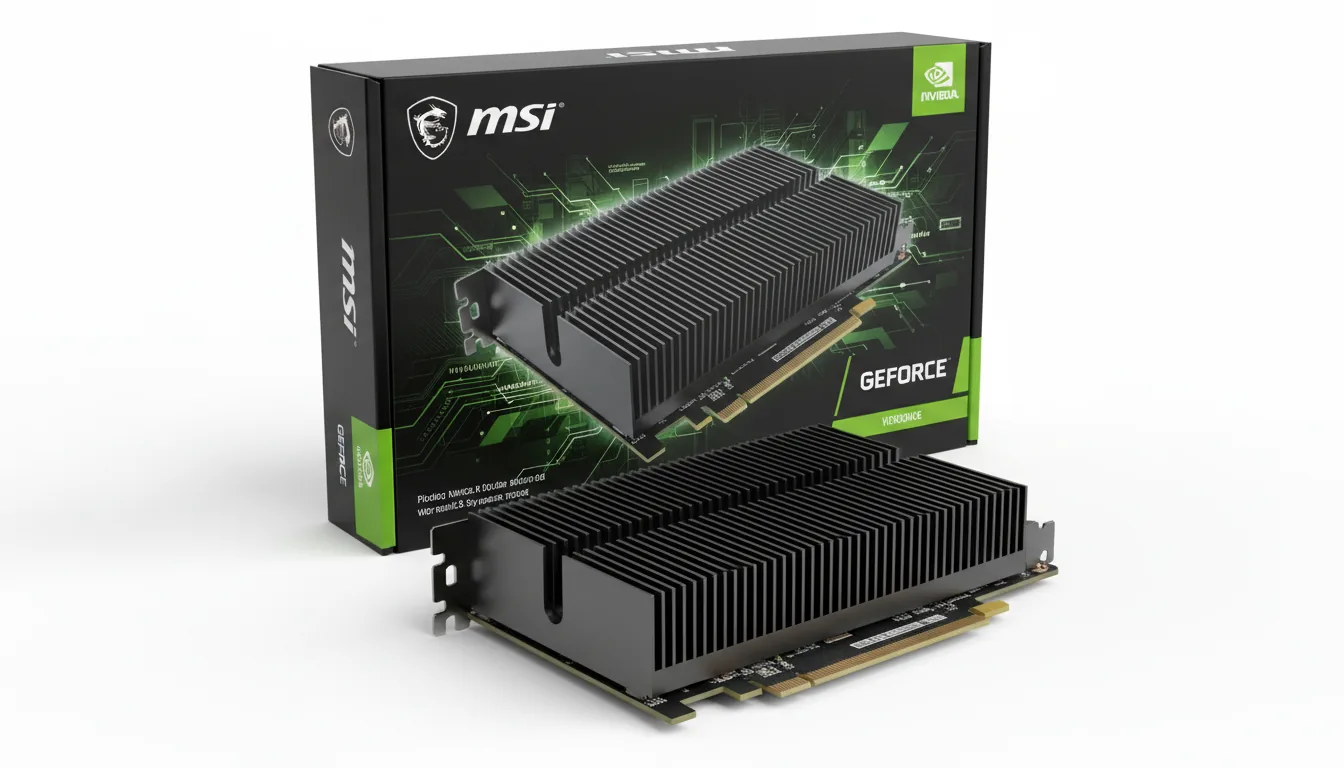
If you’re on a very tight budget, the GT 1030 will set you back just under $100, making it the cheapest on the list by far. However, with 4GB of VRAM and an outdated architecture, don’t throw anything more than the most basic projects at it.
AI Performance in DaVinci Resolve 2025: Why GPU Power Matters More Than Ever
If you’ve opened DaVinci Resolve recently, you’ve probably noticed it, the AI is everywhere. Color correction feels smarter, masking is faster, and even audio cleanup happens almost automatically. Resolve’s Neural Engine has gone from a neat helper to the quiet workhorse behind most creative tools. It’s incredible, but there’s a catch: it’s absolutely brutal on your GPU.
In 2025, DaVinci Resolve’s AI toolkit has expanded far beyond what most users were ready for. Tools like Magic Mask, Super Scale, Face Refinement, and the new Relight FX use advanced machine learning models that run directly on your GPU. These features rely on CUDA (for Nvidia), Metal (for macOS), or ROCm (for AMD), and they eat up VRAM faster than you’d think. If you’re working in 4K or 8K timelines with multiple color nodes and effects, even a 12GB card can hit its limits.
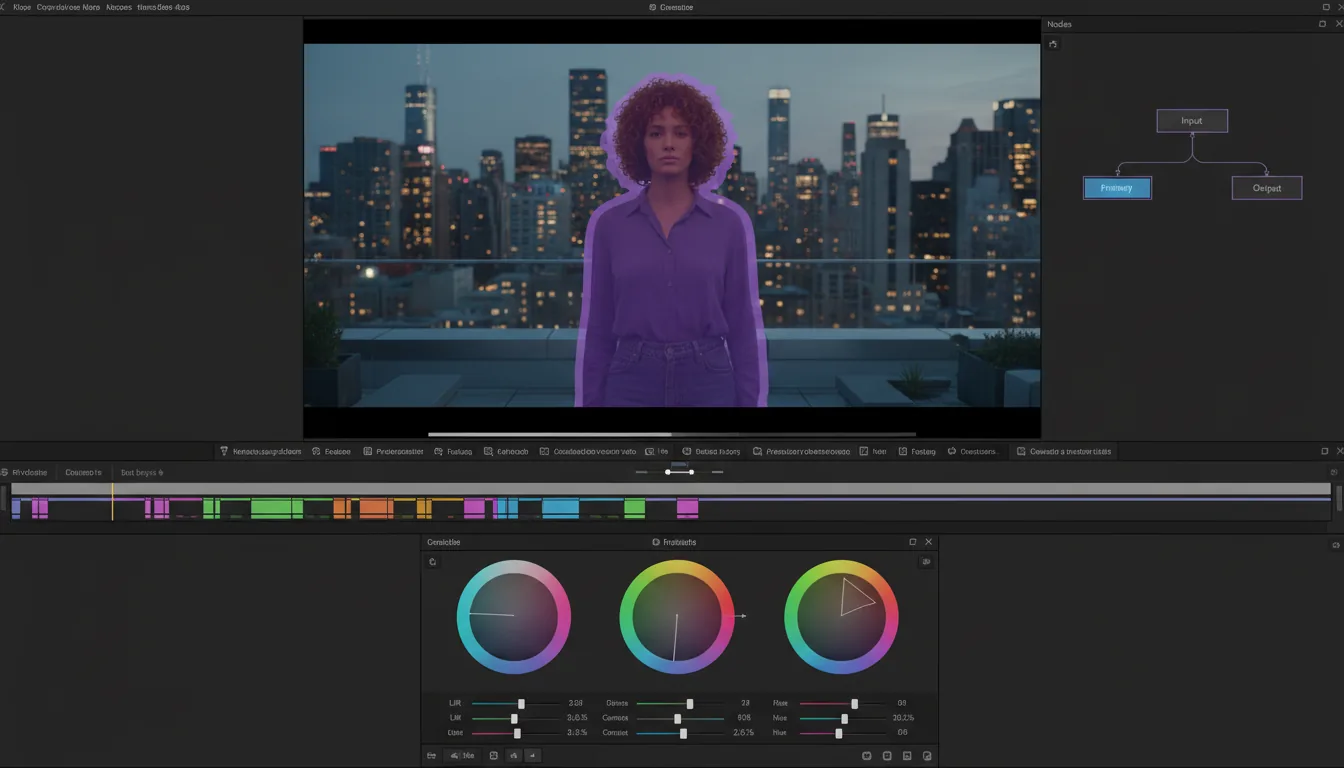
That’s the tradeoff, AI tools save time creatively but demand far more from your hardware technically. In my experience, you’ll start to see playback drops or lag spikes when stacking AI-driven effects on mid-range cards like the RTX 3060 or RX 7600. It’s not because Resolve is poorly optimized, it’s just that the Neural Engine is doing heavy lifting behind the scenes, often comparable to real-time machine learning inference.
Professionals with RTX 4090s or Radeon 7900 XTX setups barely notice it. But most editors don’t have that luxury, and Resolve’s new features make it harder than ever to stay “future-proof.” The days of relying on a solid mid-tier GPU for years are fading, especially if you plan to use AI for color matching, denoising, or auto object tracking.
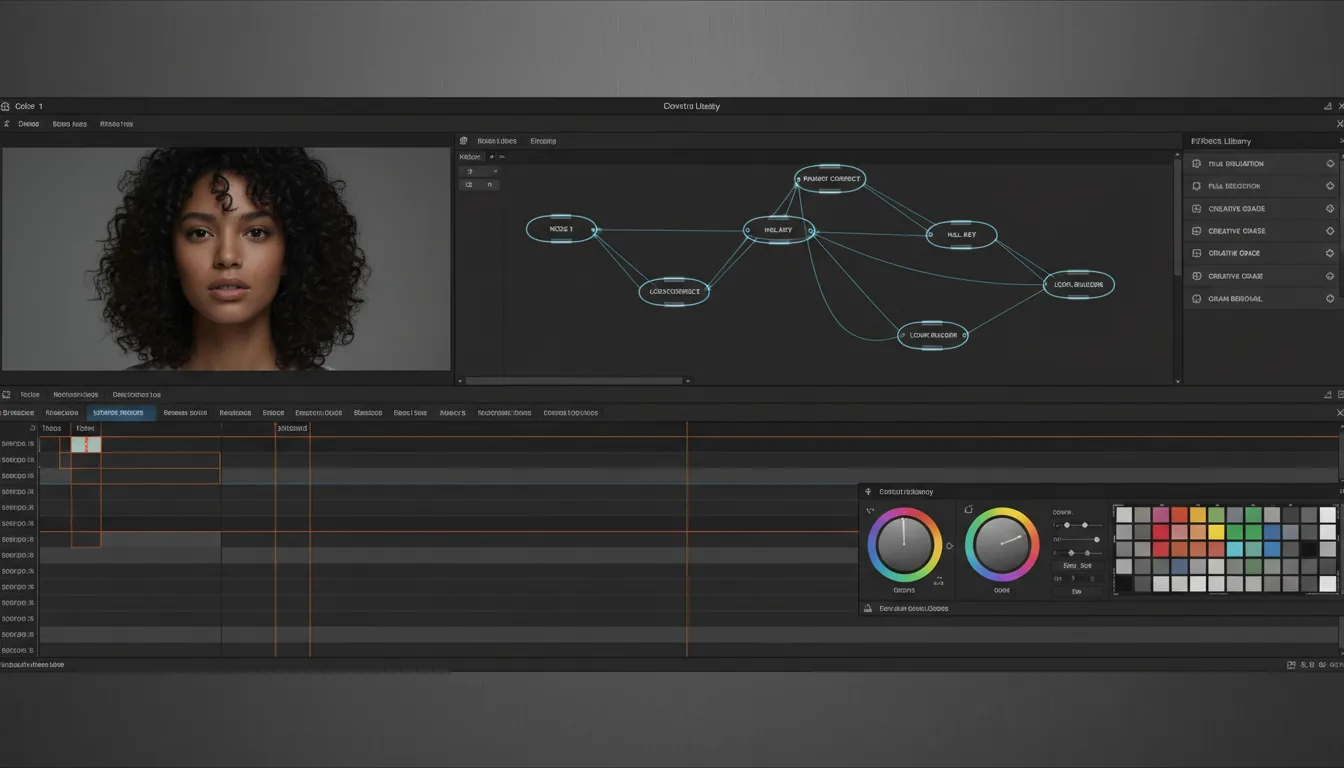
If upgrading isn’t realistic, there’s a smarter middle ground: performance on demand. Tools like Vagon Cloud Computer let you spin up high-end GPUs (think RTX 4090-level power) whenever your workflow needs it. No rebuilding your PC, no monthly maintenance, just raw performance from the cloud when your local setup starts to stutter. You can edit, render, and export straight from the session, then go back to your normal laptop once it’s done.
So, if DaVinci’s new AI tricks are slowing you down, it might not be your skill, it’s your silicon. Run a test render, check your GPU usage, and see if it’s time to scale up. Whether you upgrade your rig or tap into a cloud powerhouse, Resolve’s AI generation deserves the horsepower to match.
Vagon Cloud Computer: A Flexible Alternative
Perhaps you’re really deliberating on whether you should spend thousands of dollars on a GPU. Or maybe, your budget is so tight that what you can afford won’t be able to handle what you need it to handle. In cases like these, Vagon Cloud Computer is a major alternative.
The way Vagon Cloud Computer works is simple. You’re normally used to accessing the storage drives of cloud computers when using iCloud, Google Drive, or Dropbox. Vagon Cloud Computer lets you access not just storage, but an entire high-performance system. What that means is that you can access that high-end hardware, no matter the kind of low-end device running DaVinci Resolve for you.
Obviously, this means you’re only dropping money for a subscription and not for ridiculously expensive hardware. If your workflow is typically simple but you have a complex project to work on, you can just use Vagon instead of burning your funds on a better build.
How to Choose the Right Option for You
Before you choose a tier of graphics card to buy into, or whether Vagon Cloud Computer is a better option for you, you have to consider some factors.
The most important thing is to understand your typical workflow. Where does it rank from very simple to incredibly complex? Do you even need high-end hardware?
What’s your budget? This might be the most steadfast barrier for most. The bigger the budget, the better, but a smaller budget allows for a lot less indecision. A lower budget with demanding needs makes Vagon Cloud Computer a strong prospect.
Is the rest of your computer rig compatible with your GPU of choice? If not, that means a lot more deliberation, whether you’ll be forced to buy a new motherboard, power supply, or even case.
Conclusion
Putting your money into the right hardware can make your journey with DaVinci Resolve so much more enriching. It is important that you put that money at the right tier of graphics card for the kind of workflow that you have.
Sure, there are graphics cards available for every price point, but the only solution that can be recommended for any budget is Vagon Cloud Computer! It offers you a sensible subscription model without any compromise on your access to Vagon’s most powerful rigs.
FAQs
1. Does DaVinci Resolve really need a powerful GPU in 2025?
Absolutely. The latest versions of Resolve use AI-based tools through the DaVinci Neural Engine, and those features rely heavily on your GPU. Even simple effects like color matching, object tracking, or smart reframing can push mid-tier cards to their limits, especially in 4K or 8K timelines.
2. How much VRAM do I need for smooth performance?
For most editors, 8–12GB is the comfortable range. But if you’re using AI tools, Fusion effects, or high-resolution media, aim for 16GB or more. DaVinci Resolve will happily use all the VRAM it can get, and running out leads to playback stutters or crashes.
3. Can I edit videos on a laptop GPU?
Yes, but with conditions. A recent RTX 4060 Laptop GPU or Apple M3 Pro chip can handle 4K projects decently. However, if your work involves multiple AI-driven nodes or heavy color grading, expect slower render times. For big projects, connecting to a cloud computer like Vagon lets you offload that workload entirely.
4. What’s the difference between CUDA, Metal, and ROCm in Resolve?
They’re the hardware acceleration frameworks Resolve uses for different systems: CUDA for Nvidia, Metal for macOS, and ROCm for AMD. Each allows the DaVinci Neural Engine to run efficiently on its respective platform. Make sure the right one is enabled under Preferences → System → Memory & GPU.
5. Should I buy a GPU now or use a cloud computer instead?
If you edit occasionally or don’t need constant top-tier power, Vagon Cloud Computer can be a smarter move. You get access to RTX-level GPUs without the upfront cost or upgrade hassle. If you edit daily or rely on offline workflows, investing in a solid GPU might pay off long-term.
6. Does DaVinci Resolve benefit from a better CPU too?
Definitely, but not as much as you might think. Resolve’s color, effects, and AI features are primarily GPU-driven. A modern multi-core CPU (like Ryzen 7 7800X3D or Intel i7 13700K) will keep things balanced, but your GPU still carries the heavy load.
7. Can Vagon Cloud Computer handle DaVinci Resolve’s AI tools?
Yes. Vagon’s high-performance instances include GPUs powerful enough for the Neural Engine’s AI tasks, like face detection, smart masking, and super scaling, all while keeping your local machine cool and responsive.
It’s hard to understate how important DaVinci Resolve is for those who have integrated it into their workflows. It’s one single application that can do a whole lot on both the video and audio sides of business. That’s one major perk it has over something like Premiere Pro, for instance. Of course, with all of that in mind, it’s unsurprising that DaVinci Resolve has pretty substantial hardware requirements.
It’s important to equip yourself with a computer that can do the job, especially when it comes to the GPU. If you’re searching for the best graphics cards for DaVinci Resolve, then this is the place to be. Let’s talk about them.
Why Hardware Matters for DaVinci Resolve
DaVinci Resolve can be used for video editing, visual effects, audio post-production, motion graphics, and more. That’s all in one application, so with that in mind, it becomes less surprising that DaVinci needs good hardware to work optimally. Even apps with a narrower use case, like Final Cut Pro, still need good resources to pull from.
However, even knowing this, not everyone can walk out and buy the very best GPUs in the market. Even if you can, it might not be worth it. This is why you have to balance your budget with your needs.
If your computer is so painfully old that upgrading is a chore, or you’re on a very limited budget, an option like Vagon Cloud Computer will take the burden of the hardware off you, saving you from having to figure out the recommended GPUs for DaVinci Resolve performance optimization, since the very best is already in the cloud computer. More on that later, though.
High-End GPUs for DaVinci Resolve
Professionals who make money with their DaVinci Resolve workflow shouldn’t compromise. If some of the most demanding DaVinci Resolve plugins are your bread and butter, and performance is your main priority, no matter the cost, here are the top GPUs for video editing in DaVinci Resolve.
#1. Nvidia GeForce RTX 4090
If money is no barrier, there’s literally no better GPU to equip right now than Nvidia’s RTX 4090. It will cost you a few thousand dollars and getting your hands on it is hard, but the Founder’s Edition card comes with 24GB of VRAM, which will make working in Resolve as smooth as butter.
#2. AMD Radeon RX 7900 XTX
The very best of AMD isn’t too far off from the very best GPU, and the big perk is that it is about a quarter of the price. You’ll still get 24GB of VRAM and high-end graphical performance. It’s the next best option.
#3. Nvidia GeForce RTX 4070
If you’re loyal to Nvidia but need something a lot cheaper than the 4090, the RTX 4070 comes at a mere fraction of its price while still being a high-end card. This variant is overclocked and comes with 12GB of VRAM, which is still more than enough.
Mid-Tier GPUs for DaVinci Resolve
Not everyone is raking in enough money to splurge on a GPU for DaVinci Resolve. Some people’s needs for DaVinci Resolve simply aren’t that intense. If you’re any of these two types of people, a mid-tier GPU will save you money while still offering decent performance.
#1. Nvidia GeForce RTX 3060
The RTX 3060 is an incredibly capable card despite being launched back in 2021. For under $300, you get 12GB of VRAM and an overclocked GPU. When it comes to graphics cards for faster rendering in DaVinci Resolve, this will do the job without breaking the bank.
To get the most out of your GPU setup, make sure you're applying the right settings. Check out this complete guide on how to render faster in DaVinci Resolve — from timeline optimizations to GPU settings, it’ll help you speed things up.
#2. AMD Radeon RX 7600
Some people prefer the AMD side of life and if you’re one of them, the RX 7600 comes at a sensible price with midrange performance. 8GB of VRAM is just about enough for good performance in DaVinci Resolve, but you might wish for a little more.
#3. Nvidia GeForce RTX 2060 Super
Nvidia’s RTX 2060 Super is another good option for Nvidia lovers looking for a capable and lower-cost card to handle their Resolve tasks reliably. Its 8GB of VRAM will do the job well, as long as your project isn’t too heavy-duty.
Low-Budget GPUs for DaVinci Resolve
If money is an issue and you’re just looking for the most affordable GPUs for DaVinci Resolve users, I’ll show them to you here. Just keep in mind that with graphics cards as low in price as these ones, you shouldn’t expect too much speed or reliability on more complex projects.
#1. Nvidia GeForce RTX 3050
Despite being part of one of the more recent GPU series from Nvidia, the RTX 3050 can be purchased for well under $200. With 6GB of VRAM and a newer architecture, this chip has great bang for buck in DaVinci Resolve workflows.
#2. AMD Radeon RX 6500 XT
Similar in price to the RTX 3050, AMD’s RX 6500 XT delivers respectable performance, though it just hits the minimum in terms of system requirements, with 4GB of VRAM.
#3. Nvidia GeForce GT 1030
If you’re on a very tight budget, the GT 1030 will set you back just under $100, making it the cheapest on the list by far. However, with 4GB of VRAM and an outdated architecture, don’t throw anything more than the most basic projects at it.
AI Performance in DaVinci Resolve 2025: Why GPU Power Matters More Than Ever
If you’ve opened DaVinci Resolve recently, you’ve probably noticed it, the AI is everywhere. Color correction feels smarter, masking is faster, and even audio cleanup happens almost automatically. Resolve’s Neural Engine has gone from a neat helper to the quiet workhorse behind most creative tools. It’s incredible, but there’s a catch: it’s absolutely brutal on your GPU.
In 2025, DaVinci Resolve’s AI toolkit has expanded far beyond what most users were ready for. Tools like Magic Mask, Super Scale, Face Refinement, and the new Relight FX use advanced machine learning models that run directly on your GPU. These features rely on CUDA (for Nvidia), Metal (for macOS), or ROCm (for AMD), and they eat up VRAM faster than you’d think. If you’re working in 4K or 8K timelines with multiple color nodes and effects, even a 12GB card can hit its limits.
That’s the tradeoff, AI tools save time creatively but demand far more from your hardware technically. In my experience, you’ll start to see playback drops or lag spikes when stacking AI-driven effects on mid-range cards like the RTX 3060 or RX 7600. It’s not because Resolve is poorly optimized, it’s just that the Neural Engine is doing heavy lifting behind the scenes, often comparable to real-time machine learning inference.
Professionals with RTX 4090s or Radeon 7900 XTX setups barely notice it. But most editors don’t have that luxury, and Resolve’s new features make it harder than ever to stay “future-proof.” The days of relying on a solid mid-tier GPU for years are fading, especially if you plan to use AI for color matching, denoising, or auto object tracking.
If upgrading isn’t realistic, there’s a smarter middle ground: performance on demand. Tools like Vagon Cloud Computer let you spin up high-end GPUs (think RTX 4090-level power) whenever your workflow needs it. No rebuilding your PC, no monthly maintenance, just raw performance from the cloud when your local setup starts to stutter. You can edit, render, and export straight from the session, then go back to your normal laptop once it’s done.
So, if DaVinci’s new AI tricks are slowing you down, it might not be your skill, it’s your silicon. Run a test render, check your GPU usage, and see if it’s time to scale up. Whether you upgrade your rig or tap into a cloud powerhouse, Resolve’s AI generation deserves the horsepower to match.
Vagon Cloud Computer: A Flexible Alternative
Perhaps you’re really deliberating on whether you should spend thousands of dollars on a GPU. Or maybe, your budget is so tight that what you can afford won’t be able to handle what you need it to handle. In cases like these, Vagon Cloud Computer is a major alternative.
The way Vagon Cloud Computer works is simple. You’re normally used to accessing the storage drives of cloud computers when using iCloud, Google Drive, or Dropbox. Vagon Cloud Computer lets you access not just storage, but an entire high-performance system. What that means is that you can access that high-end hardware, no matter the kind of low-end device running DaVinci Resolve for you.
Obviously, this means you’re only dropping money for a subscription and not for ridiculously expensive hardware. If your workflow is typically simple but you have a complex project to work on, you can just use Vagon instead of burning your funds on a better build.
How to Choose the Right Option for You
Before you choose a tier of graphics card to buy into, or whether Vagon Cloud Computer is a better option for you, you have to consider some factors.
The most important thing is to understand your typical workflow. Where does it rank from very simple to incredibly complex? Do you even need high-end hardware?
What’s your budget? This might be the most steadfast barrier for most. The bigger the budget, the better, but a smaller budget allows for a lot less indecision. A lower budget with demanding needs makes Vagon Cloud Computer a strong prospect.
Is the rest of your computer rig compatible with your GPU of choice? If not, that means a lot more deliberation, whether you’ll be forced to buy a new motherboard, power supply, or even case.
Conclusion
Putting your money into the right hardware can make your journey with DaVinci Resolve so much more enriching. It is important that you put that money at the right tier of graphics card for the kind of workflow that you have.
Sure, there are graphics cards available for every price point, but the only solution that can be recommended for any budget is Vagon Cloud Computer! It offers you a sensible subscription model without any compromise on your access to Vagon’s most powerful rigs.
FAQs
1. Does DaVinci Resolve really need a powerful GPU in 2025?
Absolutely. The latest versions of Resolve use AI-based tools through the DaVinci Neural Engine, and those features rely heavily on your GPU. Even simple effects like color matching, object tracking, or smart reframing can push mid-tier cards to their limits, especially in 4K or 8K timelines.
2. How much VRAM do I need for smooth performance?
For most editors, 8–12GB is the comfortable range. But if you’re using AI tools, Fusion effects, or high-resolution media, aim for 16GB or more. DaVinci Resolve will happily use all the VRAM it can get, and running out leads to playback stutters or crashes.
3. Can I edit videos on a laptop GPU?
Yes, but with conditions. A recent RTX 4060 Laptop GPU or Apple M3 Pro chip can handle 4K projects decently. However, if your work involves multiple AI-driven nodes or heavy color grading, expect slower render times. For big projects, connecting to a cloud computer like Vagon lets you offload that workload entirely.
4. What’s the difference between CUDA, Metal, and ROCm in Resolve?
They’re the hardware acceleration frameworks Resolve uses for different systems: CUDA for Nvidia, Metal for macOS, and ROCm for AMD. Each allows the DaVinci Neural Engine to run efficiently on its respective platform. Make sure the right one is enabled under Preferences → System → Memory & GPU.
5. Should I buy a GPU now or use a cloud computer instead?
If you edit occasionally or don’t need constant top-tier power, Vagon Cloud Computer can be a smarter move. You get access to RTX-level GPUs without the upfront cost or upgrade hassle. If you edit daily or rely on offline workflows, investing in a solid GPU might pay off long-term.
6. Does DaVinci Resolve benefit from a better CPU too?
Definitely, but not as much as you might think. Resolve’s color, effects, and AI features are primarily GPU-driven. A modern multi-core CPU (like Ryzen 7 7800X3D or Intel i7 13700K) will keep things balanced, but your GPU still carries the heavy load.
7. Can Vagon Cloud Computer handle DaVinci Resolve’s AI tools?
Yes. Vagon’s high-performance instances include GPUs powerful enough for the Neural Engine’s AI tasks, like face detection, smart masking, and super scaling, all while keeping your local machine cool and responsive.
Get Beyond Your Computer Performance
Run applications on your cloud computer with the latest generation hardware. No more crashes or lags.

Trial includes 1 hour usage + 7 days of storage.
Summarize with AI
Ready to focus on your creativity?
Vagon gives you the ability to create & render projects, collaborate, and stream applications with the power of the best hardware.

Vagon Blog
Run heavy applications on any device with
your personal computer on the cloud.
San Francisco, California
Solutions
Vagon Teams
Vagon Streams
Use Cases
Resources
Vagon Blog
How to Use DaVinci Resolve With Codex: MCP & Computer Use
How to Use ComfyUI With Claude: MCP & Computer Use Guide
How to Use Rhino With Codex: MCP & Computer Use Guide
How to Use KiCad With Codex: MCP & Computer Use Guide
How to Use KiCad With Claude: MCP & Computer Use Guide Meta
How to Use FreeCAD With Codex: MCP & Computer Use
How to Use FreeCAD With Claude: MCP & Computer Use
How to Use 3ds Max With Codex: MCP & Computer Use
How to Use Houdini With Claude: MCP & Computer Use
Vagon Blog
Run heavy applications on any device with
your personal computer on the cloud.
San Francisco, California
Solutions
Vagon Teams
Vagon Streams
Use Cases
Resources
Vagon Blog
How to Use DaVinci Resolve With Codex: MCP & Computer Use
How to Use ComfyUI With Claude: MCP & Computer Use Guide
How to Use Rhino With Codex: MCP & Computer Use Guide
How to Use KiCad With Codex: MCP & Computer Use Guide
How to Use KiCad With Claude: MCP & Computer Use Guide Meta
How to Use FreeCAD With Codex: MCP & Computer Use
How to Use FreeCAD With Claude: MCP & Computer Use
How to Use 3ds Max With Codex: MCP & Computer Use
How to Use Houdini With Claude: MCP & Computer Use
Vagon Blog
Run heavy applications on any device with
your personal computer on the cloud.
San Francisco, California
Solutions
Vagon Teams
Vagon Streams
Use Cases
Resources
Vagon Blog