Instant Connection for Pixel Streaming
— New Feature Automated Setup
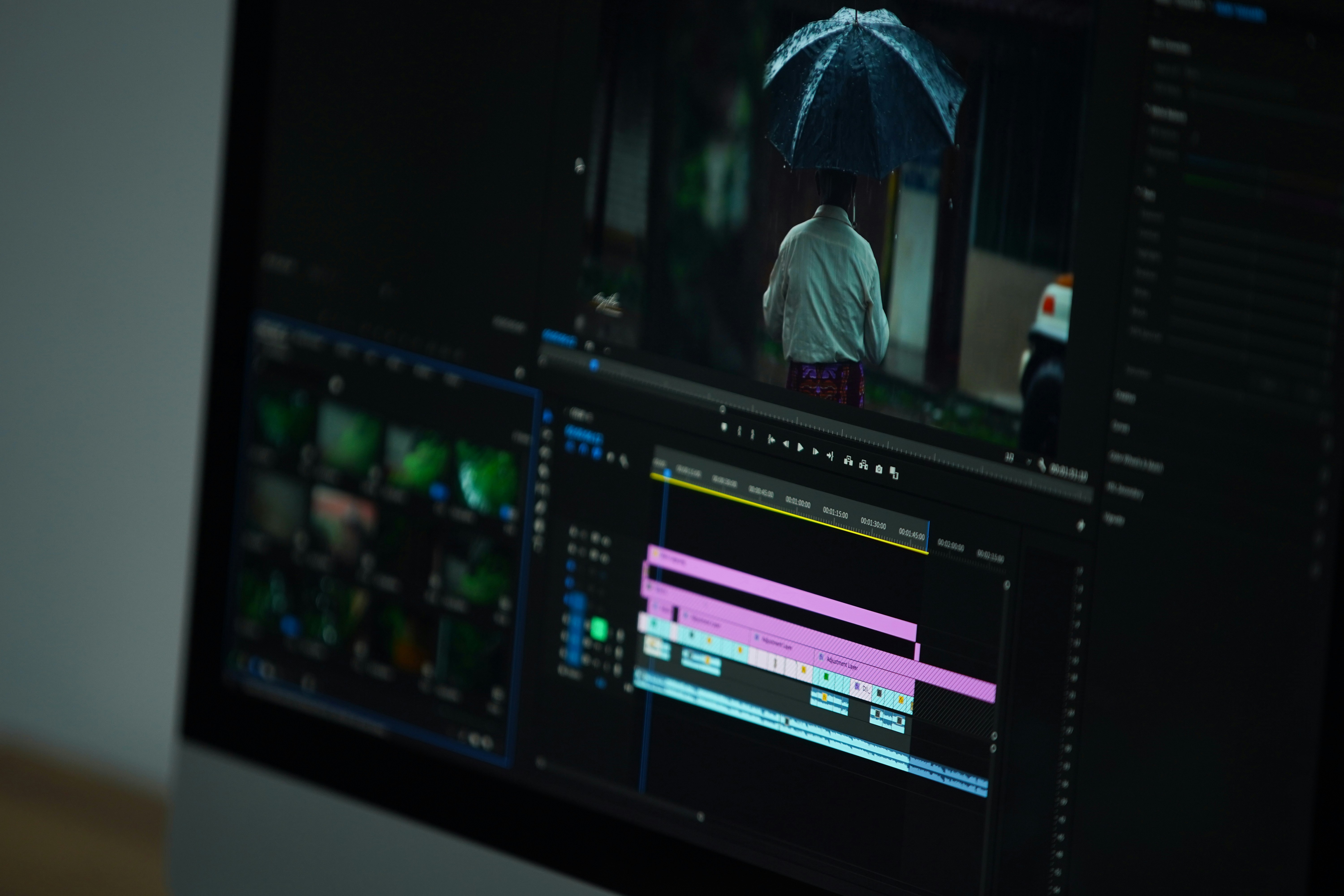
How to Use Roto Brush 3 and Content-Aware Fill in After Effects
VideoProduction
-
How to Use Roto Brush 3 and Content-Aware Fill in After Effects
VideoProduction
How to Use Roto Brush 3 and Content-Aware Fill in After Effects
VideoProduction
-
Table of Contents
Rotoscoping used to feel like punishment. I’m not exaggerating. You’d fix one frame, move forward, and watch everything fall apart again. Edges would crawl. Hair would turn into this weird crunchy mess. And if the shot had any motion blur… you already knew you were in for a long night.
I used to avoid those shots when I could. Not because they were impossible, but because they were slow in the most frustrating way. It wasn’t creative work. It was maintenance.
Roto Brush 3 changes that. Not in a magical, one-click kind of way. You still need to guide it, still need to make decisions. But in my experience, it holds onto the subject far better than the older versions ever did. You spend less time fixing every frame and more time nudging the result into place. That alone makes a huge difference.
But here’s the part people don’t talk about enough. Cutting a subject out is only half the job.
Once you remove something, you’re left with a gap. A missing piece of the frame that still needs to look believable. And that’s where Content-Aware Fill comes in.
Why You’ll Almost Always Use These Together
Most real projects don’t stop at “cut the subject out.”
You isolate someone for a composite, then notice a boom mic creeping into frame. Or you remove an object, and suddenly the background feels incomplete or broken. Fixing one thing usually exposes another. That’s just how it goes.
So it helps to think of this as a two-part workflow instead of two separate tools.
Roto Brush 3 is how you isolate what matters. The subject, the person, the product. Anything you want control over.
Content-Aware Fill is how you clean up everything else. The stuff you wish wasn’t there in the first place, or the gaps you create after removing something.
I’ve noticed that once you start using them together, your approach shifts a bit. You stop thinking, “Which tool do I use?” and start thinking, “What does this shot actually need?”
Sometimes that means cutting something out. Sometimes it means rebuilding what’s behind it. Most of the time, it’s both.
Let’s start with Roto Brush 3, because if that part isn’t solid, everything after it gets harder.

Getting a Clean Cut with Roto Brush 3
The first mistake most people make with Roto Brush isn’t technical. It’s how they start.
They open the comp, grab the tool, and begin painting right away. It works… kind of. But you’re making things harder for yourself from the start.
Double-click your footage so it opens in the Layer panel, not the Composition panel. It sounds minor. It’s not. Roto Brush behaves way more predictably there, especially when it starts analyzing and propagating across frames.
Before you draw anything, find a good base frame. This step gets skipped all the time, and it shouldn’t. You want a frame where your subject is clear, not blurred, not blending into the background. If your starting point is messy, the rest of the shot inherits that problem.
Now start simple.
Don’t trace the edges. That’s the instinct. It’s also the fastest way to confuse the tool.
Instead, draw strokes through the center of the subject. Think of it like telling After Effects what belongs together, not where the border is. Once it understands the subject, you can refine the edges later.
If it grabs too much, hold Alt and paint over what you want to exclude. But here’s something I wish more people knew. Don’t immediately undo when it looks wrong. Add a few more strokes first. The tool often corrects itself once it has more context.

Once the selection looks solid on your base frame, move forward a few frames.
This is where things get real.
Sometimes it sticks almost perfectly. Other times, you’ll see drift. Hands slipping out of the mask, hair getting clipped, edges wobbling. That’s normal. Just correct it as you go. You’re guiding the system, not expecting it to nail everything on its own.
Work forward through the timeline, then go back and cover the frames before your base frame. You want the entire span clean, not just one direction.
And when it finally holds up across the shot, freeze it.
Seriously, don’t skip that step.
Freezing locks the segmentation so After Effects doesn’t keep recalculating everything every time you scrub the timeline. It makes the whole process more stable and a lot less frustrating when you move on.
At this point, you’ll have something usable. Not perfect. But usable.
And honestly, that’s already a big upgrade from how this used to feel.
If you’re still figuring out your workflow or wondering whether After Effects is the right tool for your projects, it’s worth exploring some After Effects alternatives to see how different tools handle similar tasks.
Refining the Edges (Where Most People Mess Up)
This is the part where a decent roto either turns into something clean… or quietly falls apart.
Most people get a good initial selection, then overwork it. They keep tweaking sliders, pushing values, trying to “perfect” the edge. And somewhere along the way, it starts looking artificial.
So the goal here isn’t perfection. It’s stability.
Start with Reduce Chatter.
If your edges look like they’re flickering or crawling between frames, that’s chatter. It’s one of the most common issues, especially on moving shots. Increase it slowly. A little goes a long way. Push it too far and you’ll start softening details you actually want to keep.
Then move to the Refine Edge Tool.
This is where Roto Brush 3 really earns its keep. Hair, fur, soft fabric edges… the stuff that used to be a nightmare. Instead of trying to mask every strand, you brush over those areas and let After Effects reinterpret them.
It doesn’t always get it perfect. But in my experience, it gets close enough that you’re no longer fighting frame by frame. And that’s the win.

You’ll probably still need small adjustments. Maybe tighten the edge slightly. Maybe soften it depending on your background. But try to keep those changes subtle.
Here’s the trap.
When something looks slightly off, the instinct is to keep adjusting until it looks “clean.” But clean isn’t always natural. Real footage has imperfections. If your edge is too sharp or too uniform, it actually stands out more.
I usually stop when it feels consistent, not flawless.
That’s a small mindset shift, but it saves a lot of time. And more importantly, it keeps your result believable.
Because at the end of the day, nobody is zooming into your matte. They’re watching the shot.
If you’re working on a lighter setup or experimenting outside your usual workstation, there are actually some practical ways to run After Effects on an iPad, though performance limitations are still something to keep in mind.
When Roto Brush 3 Falls Apart
As good as Roto Brush 3 is now, it’s not a miracle tool. There are still shots where it struggles, and it’s better to recognize those early instead of forcing it to work.
The biggest issue is messy backgrounds.
If your subject blends into what’s behind them, similar colors, similar textures, overlapping movement, the tool has a hard time separating things cleanly. You’ll notice it grabbing chunks it shouldn’t or losing parts of the subject entirely.
Heavy motion blur is another one.
When everything turns into soft streaks, there’s not much for the tool to hold onto. You can still get something usable, but expect more manual fixes. This is where expectations matter. It’s not failing. The footage just isn’t giving it enough information.
Long, complex shots can also get tricky.
If your subject rotates, changes scale, or moves through drastically different lighting, the propagation starts to drift. You end up correcting more and more as you move through the timeline, and at some point, it might be faster to break the shot into sections or even switch approaches.

And sometimes… it’s just not the right tool.
There are cases where a simple mask with tracking, or even manual roto, is cleaner and faster. Not as exciting, but more reliable.
I think that’s the part people forget when they hear “AI.” It helps a lot, but it doesn’t replace judgment. You still have to decide when to use it and when to step away.
Once you’ve got your subject isolated though, you’ll usually run into the next problem pretty quickly.
Now there’s something missing from the frame.
That’s where Content-Aware Fill takes over.
If you’re trying to run After Effects on lower-end hardware, especially Chromebooks, it’s worth looking into options like running After Effects on a Chromebook to understand what’s realistically possible.
Removing Objects with Content-Aware Fill
This is where things get interesting.
You’ve cut something out. Or maybe you didn’t. Maybe you just noticed something in the shot that shouldn’t be there. A mic, a wire, a random person walking through the background.
Content-Aware Fill is how you make it disappear without rebuilding the frame from scratch.
The setup is simple, but the details matter.
Start by drawing a mask around the object you want to remove. Keep it slightly loose. Not sloppy, but don’t hug the edges too tightly either. Set the mask to Subtract so you’re basically telling After Effects, “this area needs to be filled.”
Then open the Content-Aware Fill panel.
From there, you’ll choose your fill method and generate the result. That part is fast. What matters is what you choose before you hit the button.
You’ll usually be deciding between Object and Surface.
If the camera is moving, or the background has depth and perspective changes, go with Object. It’s better at reconstructing what should be behind something as the scene shifts.
If the background is flat or relatively consistent, like a wall or a sky, Surface is often cleaner and faster. It doesn’t overthink things.
Pick the wrong one, and you’ll know immediately.

You’ll see smeared textures, repeating patterns, or weird ghosting artifacts that don’t belong. When that happens, don’t try to fix it with tiny tweaks. Just switch the method and generate again. It’s usually quicker.
There’s one setting that doesn’t get enough attention: Alpha Expansion.
If your mask is too tight, Content-Aware Fill struggles because it doesn’t have enough surrounding information to work with. Expanding the fill area slightly gives it more context, and in many cases, that alone improves the result.
Then there’s Range.
If you set it to Work Area, After Effects only analyzes that portion of the timeline. That’s useful when your shot changes over time and you don’t want it pulling data from completely different frames. If the shot is consistent, you can use the full duration.
Once everything is set, generate the fill layer.
Sometimes it works right away. Honestly, that still surprises me when it does.
Other times, it gets you maybe 70 or 80 percent of the way there. Close, but not clean enough.
That’s where most tutorials stop. But this is usually the point where you actually fix it properly.
If you’re thinking about upgrading your setup instead of changing your workflow, checking out the best laptops and prebuilt PCs for After Effects can save you from hitting performance bottlenecks later.
Fixing Imperfect Fills (Reference Frames and Lighting)
This is the part that separates “that looks fine” from “that actually holds up.”
Content-Aware Fill is good, but it’s not psychic. When it struggles, it’s usually guessing. Repeating textures, smearing details, or creating patterns that look almost right… until you notice them.
That’s where Reference Frames come in.
Instead of hoping the algorithm figures it out, you give it a clean example.
Pick a frame where the result looks off, then create a reference frame from the panel. After Effects will send that frame to Photoshop. From there, you manually fix the area. Clone, paint, clean it up so it looks how it should.
Then save it. Not “Save As.” Just save.
When you go back to After Effects and regenerate the fill, it uses that corrected frame as guidance. And the difference can be huge. What looked patchy or inconsistent suddenly snaps into something believable.
If your shot changes over time, lighting shifts, camera angle moves, you can create multiple reference frames. Think of them as anchors. You’re helping the system stay consistent instead of drifting.
Speaking of lighting…
This is another place where things quietly break.
You might get a technically correct fill, but it doesn’t match the scene. Maybe it’s too bright in one section, too flat in another, or just slightly off in a way that feels wrong.
That’s where Lighting Correction helps.
You’ll see options like Subtle, Moderate, and Strong. Strong can be useful when the lighting shifts a lot across the shot, but it can also introduce flickering if you push it too far. I usually start with Moderate and only go stronger if I have to.
Again, this isn’t about forcing perfection. It’s about getting consistency.
Between Alpha Expansion, Reference Frames, and Lighting Correction, you can fix most of the issues people assume are “just how it is.”
And once you get comfortable with that, something clicks.
You stop relying on the tool to solve everything, and start guiding it instead. That’s when it really becomes useful.
A Real Workflow: Cut, Clean, Combine
Let me give you a simple example, because this is where everything starts to make sense.
Say you’ve got a shot of someone walking through a scene. Nice lighting, decent movement… but there’s a tripod shadow trailing behind them. And maybe a random sign in the background that pulls your eye away.
First step, isolate the subject with Roto Brush 3.
You go through the process. Pick a clean base frame, paint the subject, propagate forward and backward, fix a few drifting edges, freeze it. Now you’ve got your subject separated and usable.
At this point, most people stop and move on to compositing.
But if you look at the original plate, the background still has problems.
That tripod shadow is still there. The sign is still there. And now that you’ve focused attention on the subject, those distractions are even more obvious.
So you go back to the original layer.
Mask out the shadow. Set it to Subtract. Open Content-Aware Fill.
Try Surface first if the ground is fairly consistent. If the camera is moving or the texture shifts, switch to Object. Generate the fill.
Maybe it works right away. Great.
If not, you expand the mask slightly. Try again. Still not perfect? Create a reference frame, clean it up in Photoshop, regenerate.
Now the shadow is gone.
Do the same for the sign. Mask it, fill it, refine if needed.
Once the background is clean, bring your Roto Brush layer back on top.
And this is the part I like.
Everything just sits better. The subject feels intentional. The shot feels cleaner without anyone being able to point out exactly why.
No one watching knows you used two different tools. They just see a better shot.
That’s really the point of this workflow. Not to show off the tools, but to remove distractions so the shot works the way it should.
If your projects start leaning more toward 3D or hybrid workflows, you might find yourself comparing tools like Blender vs After Effects to see which fits your needs better.
The Part Nobody Mentions: Performance
Here’s the less exciting part.
These tools are faster than they used to be, but they’re not light.
Roto Brush works best at full resolution when you’re painting and refining. That alone can push your system, especially with higher resolution footage. Add propagation, freezing, and edge refinement on top of that, and things can slow down quickly.
Content-Aware Fill isn’t much easier.
Generating fill layers means After Effects is analyzing multiple frames, building new image data, and storing it. On longer clips, that can take time. It also eats up disk space faster than people expect.
If you’re working with 4K footage or above, you’ll feel it even more. More RAM, more GPU load, longer processing times.
You can work around it. Lower preview resolution, trim your work area, pre-render sections. All of that helps.
But at some point, it stops being a workflow issue and starts being a hardware issue.
And that’s usually where people get stuck.
When Vagon Cloud Computer Actually Makes Sense
If your setup handles all of this smoothly, great. Keep it that way.
But if you’ve ever watched Roto Brush crawl through frames while your fan spins like it’s about to take off, you know the limit shows up pretty quickly. Same with Content-Aware Fill. You hit generate, and now you’re waiting. And waiting.
At some point, you’re not really working anymore. You’re just managing performance.
That’s where Vagon Cloud Computer comes in.
Instead of relying on your local hardware, you can run After Effects on a high-performance cloud machine with stronger GPUs and more RAM, then stream that environment to your device. It means you can work at full resolution, handle heavier shots, and generate fills without constantly slowing things down or compromising quality.
I think it makes the most sense when your project outgrows your machine.
Maybe your laptop is fine for editing but struggles with roto and fill. Maybe you’re traveling and don’t have access to your main setup. Or maybe you’re just tired of lowering preview quality every time things get complex.
It’s not something everyone needs.
But when performance starts getting in the way of your workflow, using something like Vagon is a straightforward way to remove that bottleneck without upgrading your entire setup.
If After Effects starts crashing during heavy roto or fill operations, you’re not alone, and there are practical ways to stop After Effects from crashing that can make your workflow much more stable.
Final Thoughts
Roto Brush 3 and Content-Aware Fill don’t suddenly make everything effortless. You still need to pick your shots carefully, guide the results, and know when something looks off.
But they do change the balance.
You’re no longer stuck fixing every frame by hand. You’re steering the process instead of doing all the heavy lifting yourself. And that shift matters more than any single feature update.
In my experience, once you get comfortable with both tools, and more importantly when to use each one, your workflow speeds up in a way that actually feels natural. You’re not rushing. You’re just not getting stuck anymore.
That’s really the takeaway.
Cleaner cuts, faster fixes, fewer frustrating moments in between.
FAQs
1. Is Roto Brush 3 actually better than doing it manually?
Most of the time, yes. Especially for short to medium shots with clear subjects. It saves a lot of time on the initial pass. That said, if the footage is messy or very long, manual roto or tracked masks can still be more reliable.
2. Why does my Roto Brush result flicker between frames?
That’s usually edge chatter. Try increasing Reduce Chatter slightly and check your propagation. Also make sure you’re not working in low preview resolution while refining. It can cause inconsistent results.
3. Should I use Object or Surface in Content-Aware Fill?
Quick rule. If the camera is moving or the background has depth, go with Object. If the background is flat or consistent, use Surface. If it looks wrong, switch. It’s faster than over-tweaking.
4. Why does Content-Aware Fill look smeared or repetitive?
Usually the mask is too tight or the fill method is wrong. Try increasing Alpha Expansion and regenerate. If it still looks off, create a Reference Frame and guide the result manually.
5. Do I really need Photoshop for reference frames?
Yes, for now. After Effects sends the frame there so you can clean it up properly. It’s a bit of a round trip, but it’s worth it when the automatic result isn’t good enough.
6. Can Content-Aware Fill remove moving objects from handheld footage?
It can, but results vary. If the movement is complex and the background changes a lot, you’ll likely need reference frames to get a clean result.
7. Why is everything so slow when I use these tools?
Because they’re heavy. Roto Brush works best at full resolution, and Content-Aware Fill analyzes multiple frames and generates new image data. It adds up quickly, especially with 4K footage.
8. Can I run this workflow on a low-spec laptop?
You can, but expect slowdowns. Lowering preview resolution and working in shorter segments helps. If performance becomes a bottleneck, using a cloud setup like Vagon is often the easier solution.
9. Do these tools replace traditional roto completely?
Not really. They reduce a lot of the repetitive work, but there are still cases where manual techniques are faster or cleaner. Think of them as accelerators, not replacements.
Rotoscoping used to feel like punishment. I’m not exaggerating. You’d fix one frame, move forward, and watch everything fall apart again. Edges would crawl. Hair would turn into this weird crunchy mess. And if the shot had any motion blur… you already knew you were in for a long night.
I used to avoid those shots when I could. Not because they were impossible, but because they were slow in the most frustrating way. It wasn’t creative work. It was maintenance.
Roto Brush 3 changes that. Not in a magical, one-click kind of way. You still need to guide it, still need to make decisions. But in my experience, it holds onto the subject far better than the older versions ever did. You spend less time fixing every frame and more time nudging the result into place. That alone makes a huge difference.
But here’s the part people don’t talk about enough. Cutting a subject out is only half the job.
Once you remove something, you’re left with a gap. A missing piece of the frame that still needs to look believable. And that’s where Content-Aware Fill comes in.
Why You’ll Almost Always Use These Together
Most real projects don’t stop at “cut the subject out.”
You isolate someone for a composite, then notice a boom mic creeping into frame. Or you remove an object, and suddenly the background feels incomplete or broken. Fixing one thing usually exposes another. That’s just how it goes.
So it helps to think of this as a two-part workflow instead of two separate tools.
Roto Brush 3 is how you isolate what matters. The subject, the person, the product. Anything you want control over.
Content-Aware Fill is how you clean up everything else. The stuff you wish wasn’t there in the first place, or the gaps you create after removing something.
I’ve noticed that once you start using them together, your approach shifts a bit. You stop thinking, “Which tool do I use?” and start thinking, “What does this shot actually need?”
Sometimes that means cutting something out. Sometimes it means rebuilding what’s behind it. Most of the time, it’s both.
Let’s start with Roto Brush 3, because if that part isn’t solid, everything after it gets harder.
Getting a Clean Cut with Roto Brush 3
The first mistake most people make with Roto Brush isn’t technical. It’s how they start.
They open the comp, grab the tool, and begin painting right away. It works… kind of. But you’re making things harder for yourself from the start.
Double-click your footage so it opens in the Layer panel, not the Composition panel. It sounds minor. It’s not. Roto Brush behaves way more predictably there, especially when it starts analyzing and propagating across frames.
Before you draw anything, find a good base frame. This step gets skipped all the time, and it shouldn’t. You want a frame where your subject is clear, not blurred, not blending into the background. If your starting point is messy, the rest of the shot inherits that problem.
Now start simple.
Don’t trace the edges. That’s the instinct. It’s also the fastest way to confuse the tool.
Instead, draw strokes through the center of the subject. Think of it like telling After Effects what belongs together, not where the border is. Once it understands the subject, you can refine the edges later.
If it grabs too much, hold Alt and paint over what you want to exclude. But here’s something I wish more people knew. Don’t immediately undo when it looks wrong. Add a few more strokes first. The tool often corrects itself once it has more context.
Once the selection looks solid on your base frame, move forward a few frames.
This is where things get real.
Sometimes it sticks almost perfectly. Other times, you’ll see drift. Hands slipping out of the mask, hair getting clipped, edges wobbling. That’s normal. Just correct it as you go. You’re guiding the system, not expecting it to nail everything on its own.
Work forward through the timeline, then go back and cover the frames before your base frame. You want the entire span clean, not just one direction.
And when it finally holds up across the shot, freeze it.
Seriously, don’t skip that step.
Freezing locks the segmentation so After Effects doesn’t keep recalculating everything every time you scrub the timeline. It makes the whole process more stable and a lot less frustrating when you move on.
At this point, you’ll have something usable. Not perfect. But usable.
And honestly, that’s already a big upgrade from how this used to feel.
If you’re still figuring out your workflow or wondering whether After Effects is the right tool for your projects, it’s worth exploring some After Effects alternatives to see how different tools handle similar tasks.
Refining the Edges (Where Most People Mess Up)
This is the part where a decent roto either turns into something clean… or quietly falls apart.
Most people get a good initial selection, then overwork it. They keep tweaking sliders, pushing values, trying to “perfect” the edge. And somewhere along the way, it starts looking artificial.
So the goal here isn’t perfection. It’s stability.
Start with Reduce Chatter.
If your edges look like they’re flickering or crawling between frames, that’s chatter. It’s one of the most common issues, especially on moving shots. Increase it slowly. A little goes a long way. Push it too far and you’ll start softening details you actually want to keep.
Then move to the Refine Edge Tool.
This is where Roto Brush 3 really earns its keep. Hair, fur, soft fabric edges… the stuff that used to be a nightmare. Instead of trying to mask every strand, you brush over those areas and let After Effects reinterpret them.
It doesn’t always get it perfect. But in my experience, it gets close enough that you’re no longer fighting frame by frame. And that’s the win.
You’ll probably still need small adjustments. Maybe tighten the edge slightly. Maybe soften it depending on your background. But try to keep those changes subtle.
Here’s the trap.
When something looks slightly off, the instinct is to keep adjusting until it looks “clean.” But clean isn’t always natural. Real footage has imperfections. If your edge is too sharp or too uniform, it actually stands out more.
I usually stop when it feels consistent, not flawless.
That’s a small mindset shift, but it saves a lot of time. And more importantly, it keeps your result believable.
Because at the end of the day, nobody is zooming into your matte. They’re watching the shot.
If you’re working on a lighter setup or experimenting outside your usual workstation, there are actually some practical ways to run After Effects on an iPad, though performance limitations are still something to keep in mind.
When Roto Brush 3 Falls Apart
As good as Roto Brush 3 is now, it’s not a miracle tool. There are still shots where it struggles, and it’s better to recognize those early instead of forcing it to work.
The biggest issue is messy backgrounds.
If your subject blends into what’s behind them, similar colors, similar textures, overlapping movement, the tool has a hard time separating things cleanly. You’ll notice it grabbing chunks it shouldn’t or losing parts of the subject entirely.
Heavy motion blur is another one.
When everything turns into soft streaks, there’s not much for the tool to hold onto. You can still get something usable, but expect more manual fixes. This is where expectations matter. It’s not failing. The footage just isn’t giving it enough information.
Long, complex shots can also get tricky.
If your subject rotates, changes scale, or moves through drastically different lighting, the propagation starts to drift. You end up correcting more and more as you move through the timeline, and at some point, it might be faster to break the shot into sections or even switch approaches.
And sometimes… it’s just not the right tool.
There are cases where a simple mask with tracking, or even manual roto, is cleaner and faster. Not as exciting, but more reliable.
I think that’s the part people forget when they hear “AI.” It helps a lot, but it doesn’t replace judgment. You still have to decide when to use it and when to step away.
Once you’ve got your subject isolated though, you’ll usually run into the next problem pretty quickly.
Now there’s something missing from the frame.
That’s where Content-Aware Fill takes over.
If you’re trying to run After Effects on lower-end hardware, especially Chromebooks, it’s worth looking into options like running After Effects on a Chromebook to understand what’s realistically possible.
Removing Objects with Content-Aware Fill
This is where things get interesting.
You’ve cut something out. Or maybe you didn’t. Maybe you just noticed something in the shot that shouldn’t be there. A mic, a wire, a random person walking through the background.
Content-Aware Fill is how you make it disappear without rebuilding the frame from scratch.
The setup is simple, but the details matter.
Start by drawing a mask around the object you want to remove. Keep it slightly loose. Not sloppy, but don’t hug the edges too tightly either. Set the mask to Subtract so you’re basically telling After Effects, “this area needs to be filled.”
Then open the Content-Aware Fill panel.
From there, you’ll choose your fill method and generate the result. That part is fast. What matters is what you choose before you hit the button.
You’ll usually be deciding between Object and Surface.
If the camera is moving, or the background has depth and perspective changes, go with Object. It’s better at reconstructing what should be behind something as the scene shifts.
If the background is flat or relatively consistent, like a wall or a sky, Surface is often cleaner and faster. It doesn’t overthink things.
Pick the wrong one, and you’ll know immediately.
You’ll see smeared textures, repeating patterns, or weird ghosting artifacts that don’t belong. When that happens, don’t try to fix it with tiny tweaks. Just switch the method and generate again. It’s usually quicker.
There’s one setting that doesn’t get enough attention: Alpha Expansion.
If your mask is too tight, Content-Aware Fill struggles because it doesn’t have enough surrounding information to work with. Expanding the fill area slightly gives it more context, and in many cases, that alone improves the result.
Then there’s Range.
If you set it to Work Area, After Effects only analyzes that portion of the timeline. That’s useful when your shot changes over time and you don’t want it pulling data from completely different frames. If the shot is consistent, you can use the full duration.
Once everything is set, generate the fill layer.
Sometimes it works right away. Honestly, that still surprises me when it does.
Other times, it gets you maybe 70 or 80 percent of the way there. Close, but not clean enough.
That’s where most tutorials stop. But this is usually the point where you actually fix it properly.
If you’re thinking about upgrading your setup instead of changing your workflow, checking out the best laptops and prebuilt PCs for After Effects can save you from hitting performance bottlenecks later.
Fixing Imperfect Fills (Reference Frames and Lighting)
This is the part that separates “that looks fine” from “that actually holds up.”
Content-Aware Fill is good, but it’s not psychic. When it struggles, it’s usually guessing. Repeating textures, smearing details, or creating patterns that look almost right… until you notice them.
That’s where Reference Frames come in.
Instead of hoping the algorithm figures it out, you give it a clean example.
Pick a frame where the result looks off, then create a reference frame from the panel. After Effects will send that frame to Photoshop. From there, you manually fix the area. Clone, paint, clean it up so it looks how it should.
Then save it. Not “Save As.” Just save.
When you go back to After Effects and regenerate the fill, it uses that corrected frame as guidance. And the difference can be huge. What looked patchy or inconsistent suddenly snaps into something believable.
If your shot changes over time, lighting shifts, camera angle moves, you can create multiple reference frames. Think of them as anchors. You’re helping the system stay consistent instead of drifting.
Speaking of lighting…
This is another place where things quietly break.
You might get a technically correct fill, but it doesn’t match the scene. Maybe it’s too bright in one section, too flat in another, or just slightly off in a way that feels wrong.
That’s where Lighting Correction helps.
You’ll see options like Subtle, Moderate, and Strong. Strong can be useful when the lighting shifts a lot across the shot, but it can also introduce flickering if you push it too far. I usually start with Moderate and only go stronger if I have to.
Again, this isn’t about forcing perfection. It’s about getting consistency.
Between Alpha Expansion, Reference Frames, and Lighting Correction, you can fix most of the issues people assume are “just how it is.”
And once you get comfortable with that, something clicks.
You stop relying on the tool to solve everything, and start guiding it instead. That’s when it really becomes useful.
A Real Workflow: Cut, Clean, Combine
Let me give you a simple example, because this is where everything starts to make sense.
Say you’ve got a shot of someone walking through a scene. Nice lighting, decent movement… but there’s a tripod shadow trailing behind them. And maybe a random sign in the background that pulls your eye away.
First step, isolate the subject with Roto Brush 3.
You go through the process. Pick a clean base frame, paint the subject, propagate forward and backward, fix a few drifting edges, freeze it. Now you’ve got your subject separated and usable.
At this point, most people stop and move on to compositing.
But if you look at the original plate, the background still has problems.
That tripod shadow is still there. The sign is still there. And now that you’ve focused attention on the subject, those distractions are even more obvious.
So you go back to the original layer.
Mask out the shadow. Set it to Subtract. Open Content-Aware Fill.
Try Surface first if the ground is fairly consistent. If the camera is moving or the texture shifts, switch to Object. Generate the fill.
Maybe it works right away. Great.
If not, you expand the mask slightly. Try again. Still not perfect? Create a reference frame, clean it up in Photoshop, regenerate.
Now the shadow is gone.
Do the same for the sign. Mask it, fill it, refine if needed.
Once the background is clean, bring your Roto Brush layer back on top.
And this is the part I like.
Everything just sits better. The subject feels intentional. The shot feels cleaner without anyone being able to point out exactly why.
No one watching knows you used two different tools. They just see a better shot.
That’s really the point of this workflow. Not to show off the tools, but to remove distractions so the shot works the way it should.
If your projects start leaning more toward 3D or hybrid workflows, you might find yourself comparing tools like Blender vs After Effects to see which fits your needs better.
The Part Nobody Mentions: Performance
Here’s the less exciting part.
These tools are faster than they used to be, but they’re not light.
Roto Brush works best at full resolution when you’re painting and refining. That alone can push your system, especially with higher resolution footage. Add propagation, freezing, and edge refinement on top of that, and things can slow down quickly.
Content-Aware Fill isn’t much easier.
Generating fill layers means After Effects is analyzing multiple frames, building new image data, and storing it. On longer clips, that can take time. It also eats up disk space faster than people expect.
If you’re working with 4K footage or above, you’ll feel it even more. More RAM, more GPU load, longer processing times.
You can work around it. Lower preview resolution, trim your work area, pre-render sections. All of that helps.
But at some point, it stops being a workflow issue and starts being a hardware issue.
And that’s usually where people get stuck.
When Vagon Cloud Computer Actually Makes Sense
If your setup handles all of this smoothly, great. Keep it that way.
But if you’ve ever watched Roto Brush crawl through frames while your fan spins like it’s about to take off, you know the limit shows up pretty quickly. Same with Content-Aware Fill. You hit generate, and now you’re waiting. And waiting.
At some point, you’re not really working anymore. You’re just managing performance.
That’s where Vagon Cloud Computer comes in.
Instead of relying on your local hardware, you can run After Effects on a high-performance cloud machine with stronger GPUs and more RAM, then stream that environment to your device. It means you can work at full resolution, handle heavier shots, and generate fills without constantly slowing things down or compromising quality.
I think it makes the most sense when your project outgrows your machine.
Maybe your laptop is fine for editing but struggles with roto and fill. Maybe you’re traveling and don’t have access to your main setup. Or maybe you’re just tired of lowering preview quality every time things get complex.
It’s not something everyone needs.
But when performance starts getting in the way of your workflow, using something like Vagon is a straightforward way to remove that bottleneck without upgrading your entire setup.
If After Effects starts crashing during heavy roto or fill operations, you’re not alone, and there are practical ways to stop After Effects from crashing that can make your workflow much more stable.
Final Thoughts
Roto Brush 3 and Content-Aware Fill don’t suddenly make everything effortless. You still need to pick your shots carefully, guide the results, and know when something looks off.
But they do change the balance.
You’re no longer stuck fixing every frame by hand. You’re steering the process instead of doing all the heavy lifting yourself. And that shift matters more than any single feature update.
In my experience, once you get comfortable with both tools, and more importantly when to use each one, your workflow speeds up in a way that actually feels natural. You’re not rushing. You’re just not getting stuck anymore.
That’s really the takeaway.
Cleaner cuts, faster fixes, fewer frustrating moments in between.
FAQs
1. Is Roto Brush 3 actually better than doing it manually?
Most of the time, yes. Especially for short to medium shots with clear subjects. It saves a lot of time on the initial pass. That said, if the footage is messy or very long, manual roto or tracked masks can still be more reliable.
2. Why does my Roto Brush result flicker between frames?
That’s usually edge chatter. Try increasing Reduce Chatter slightly and check your propagation. Also make sure you’re not working in low preview resolution while refining. It can cause inconsistent results.
3. Should I use Object or Surface in Content-Aware Fill?
Quick rule. If the camera is moving or the background has depth, go with Object. If the background is flat or consistent, use Surface. If it looks wrong, switch. It’s faster than over-tweaking.
4. Why does Content-Aware Fill look smeared or repetitive?
Usually the mask is too tight or the fill method is wrong. Try increasing Alpha Expansion and regenerate. If it still looks off, create a Reference Frame and guide the result manually.
5. Do I really need Photoshop for reference frames?
Yes, for now. After Effects sends the frame there so you can clean it up properly. It’s a bit of a round trip, but it’s worth it when the automatic result isn’t good enough.
6. Can Content-Aware Fill remove moving objects from handheld footage?
It can, but results vary. If the movement is complex and the background changes a lot, you’ll likely need reference frames to get a clean result.
7. Why is everything so slow when I use these tools?
Because they’re heavy. Roto Brush works best at full resolution, and Content-Aware Fill analyzes multiple frames and generates new image data. It adds up quickly, especially with 4K footage.
8. Can I run this workflow on a low-spec laptop?
You can, but expect slowdowns. Lowering preview resolution and working in shorter segments helps. If performance becomes a bottleneck, using a cloud setup like Vagon is often the easier solution.
9. Do these tools replace traditional roto completely?
Not really. They reduce a lot of the repetitive work, but there are still cases where manual techniques are faster or cleaner. Think of them as accelerators, not replacements.
Get Beyond Your Computer Performance
Run applications on your cloud computer with the latest generation hardware. No more crashes or lags.

Trial includes 1 hour usage + 7 days of storage.
Summarize with AI
Ready to focus on your creativity?
Vagon gives you the ability to create & render projects, collaborate, and stream applications with the power of the best hardware.
Vagon Blog
Run heavy applications on any device with
your personal computer on the cloud.
San Francisco, California
Solutions
Vagon Teams
Vagon Streams
Use Cases
Resources
Vagon Blog
How to Use KiCad With Claude: MCP & Computer Use Guide Meta
How to Use FreeCAD With Codex: MCP & Computer Use
How to Use FreeCAD With Claude: MCP & Computer Use
How to Use 3ds Max With Codex: MCP & Computer Use
How to Use Houdini With Claude: MCP & Computer Use
How to Use Cinema 4D With Claude: MCP & Computer Use
How to Use 3ds Max With Claude: MCP & Computer Use
How to Use DaVinci Resolve With Claude: MCP & Computer Use
How to Use Godot With Claude: MCP & Computer Use
Vagon Blog
Run heavy applications on any device with
your personal computer on the cloud.
San Francisco, California
Solutions
Vagon Teams
Vagon Streams
Use Cases
Resources
Vagon Blog
How to Use KiCad With Claude: MCP & Computer Use Guide Meta
How to Use FreeCAD With Codex: MCP & Computer Use
How to Use FreeCAD With Claude: MCP & Computer Use
How to Use 3ds Max With Codex: MCP & Computer Use
How to Use Houdini With Claude: MCP & Computer Use
How to Use Cinema 4D With Claude: MCP & Computer Use
How to Use 3ds Max With Claude: MCP & Computer Use
How to Use DaVinci Resolve With Claude: MCP & Computer Use
How to Use Godot With Claude: MCP & Computer Use
Vagon Blog
Run heavy applications on any device with
your personal computer on the cloud.
San Francisco, California
Solutions
Vagon Teams
Vagon Streams
Use Cases
Resources
Vagon Blog